Backcourt Regeneration | Blairtummock Area 1

Backcourt Regeneration | Blairtummock Area 1

Projects

BACKCOURT REGENERATION – BLAIRTUMMOCK AREA 1

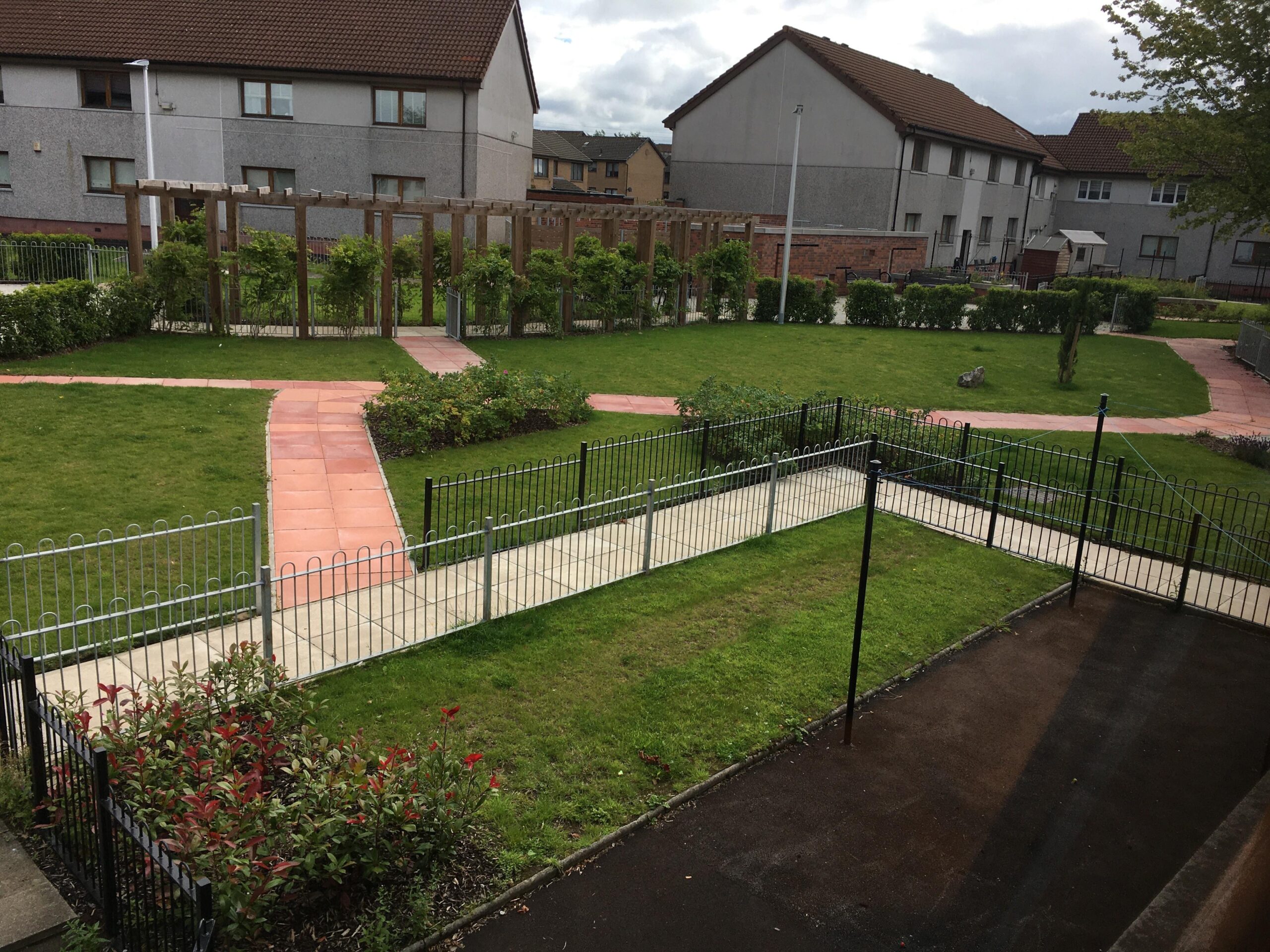
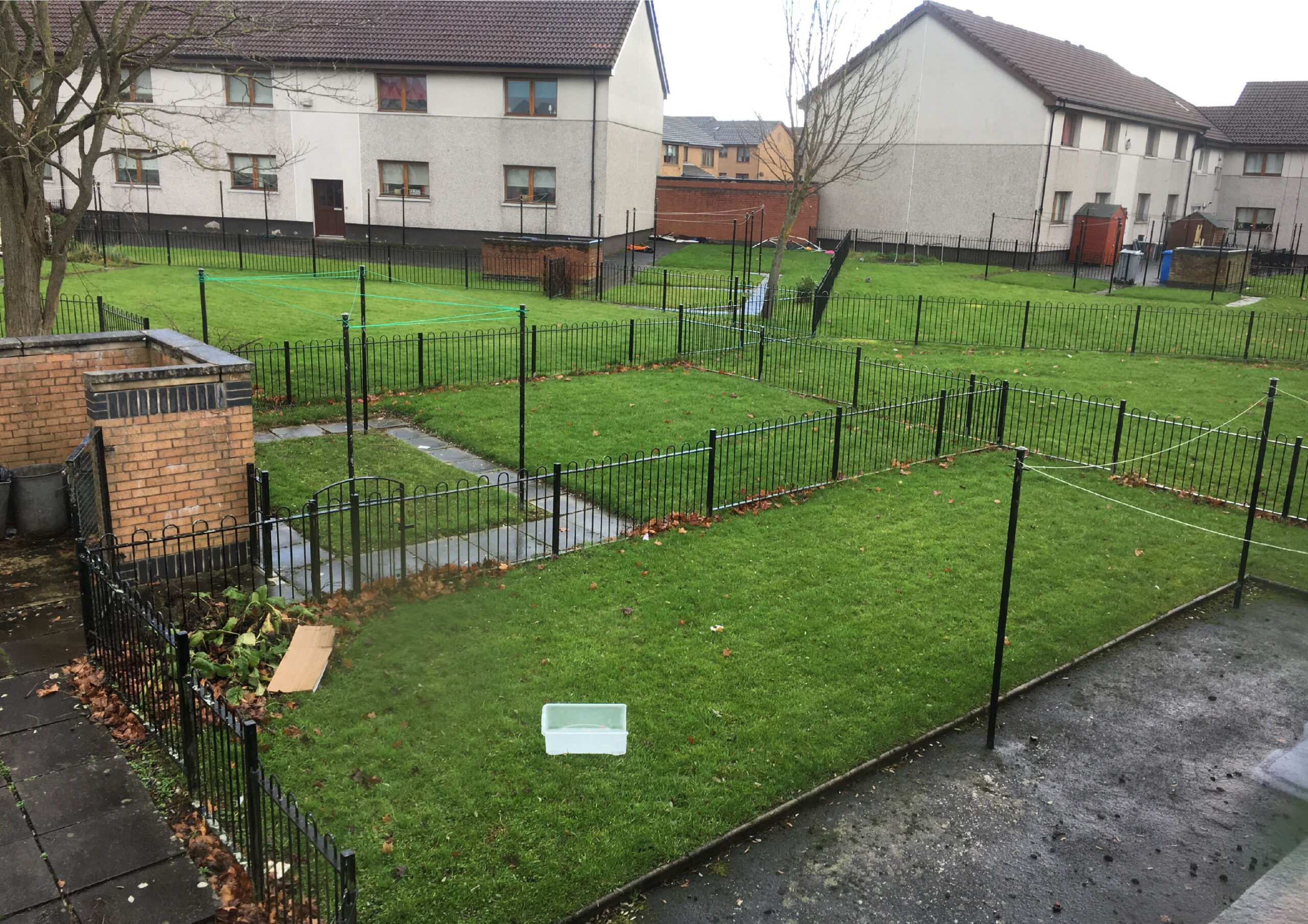
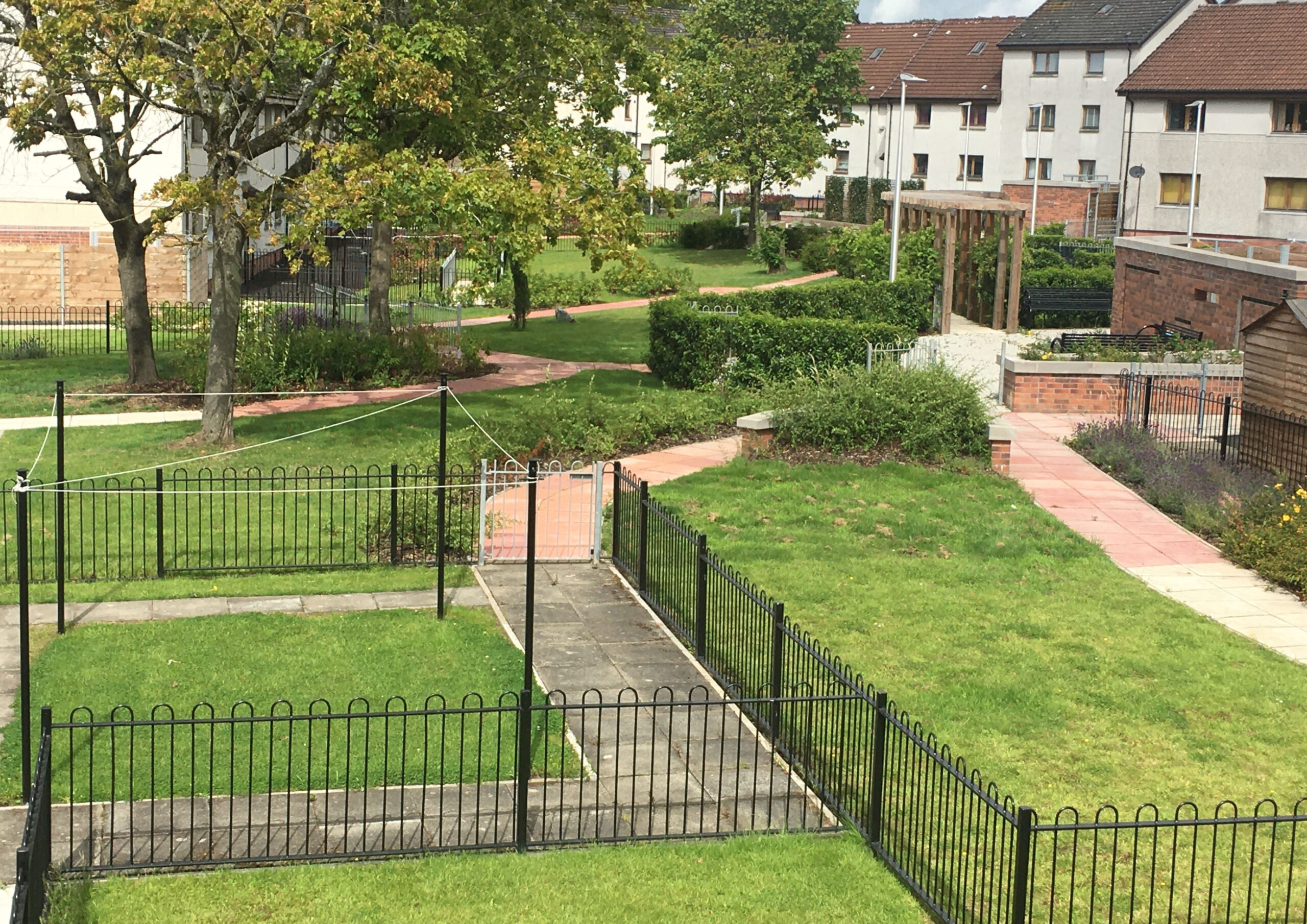
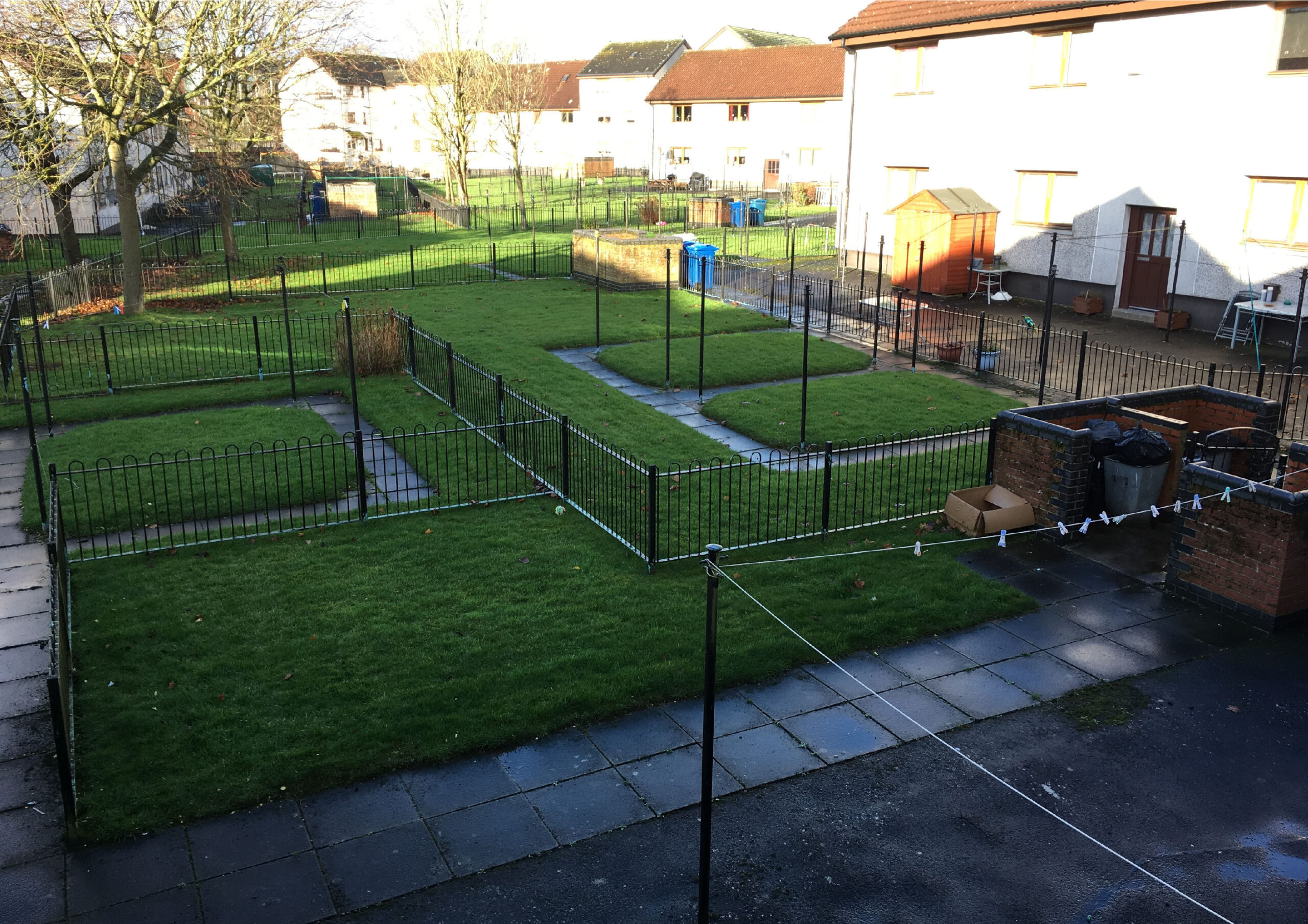
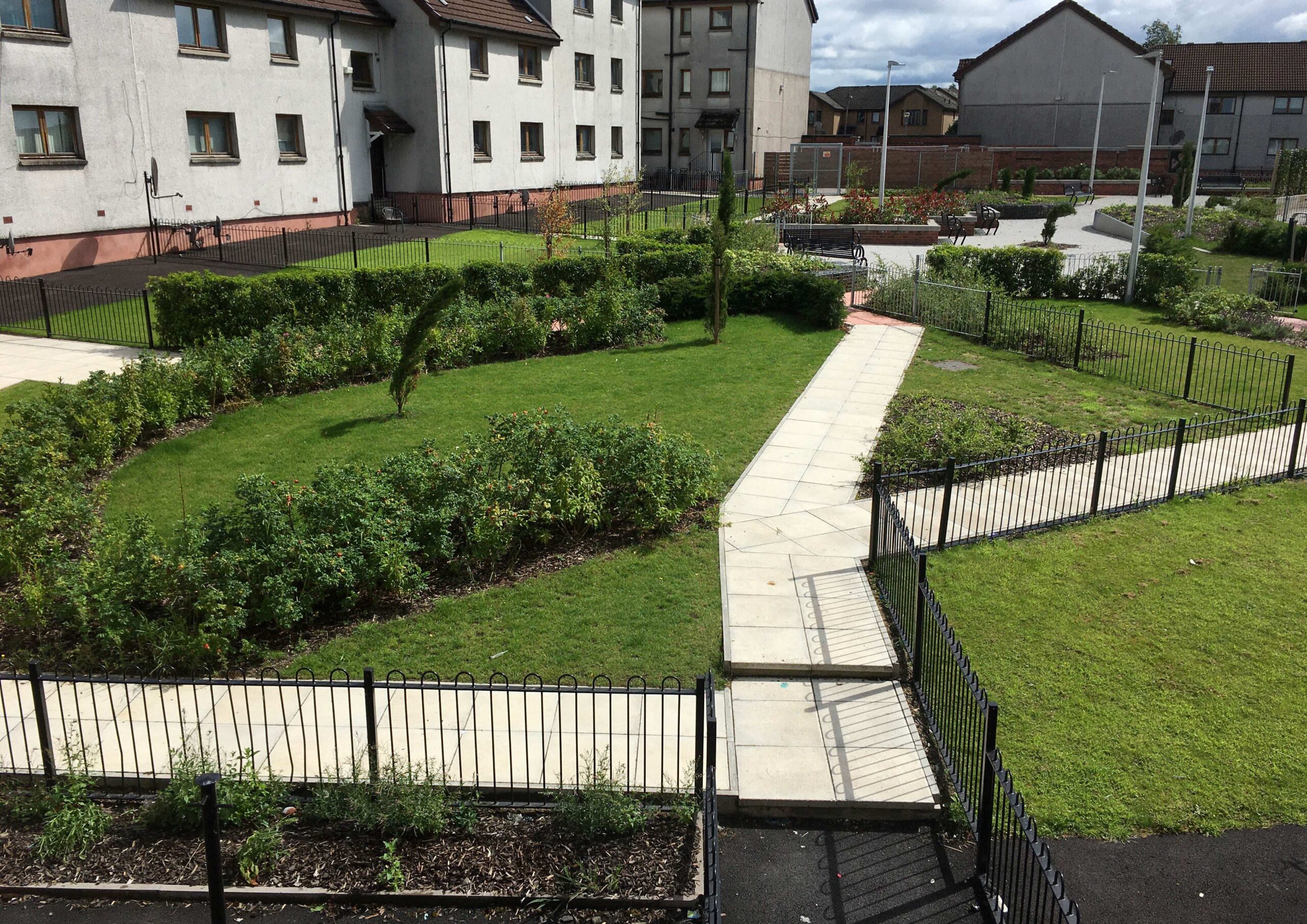
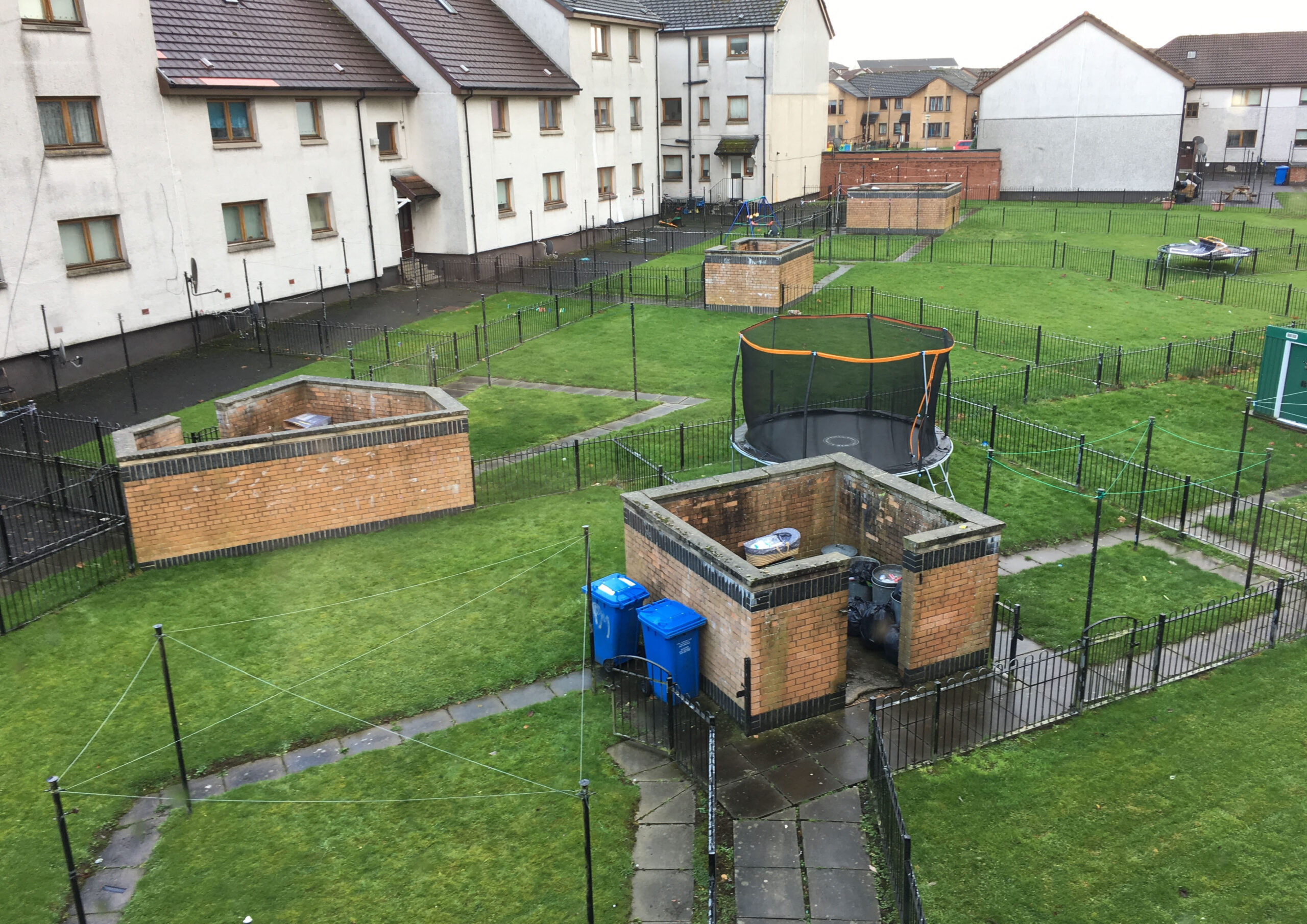
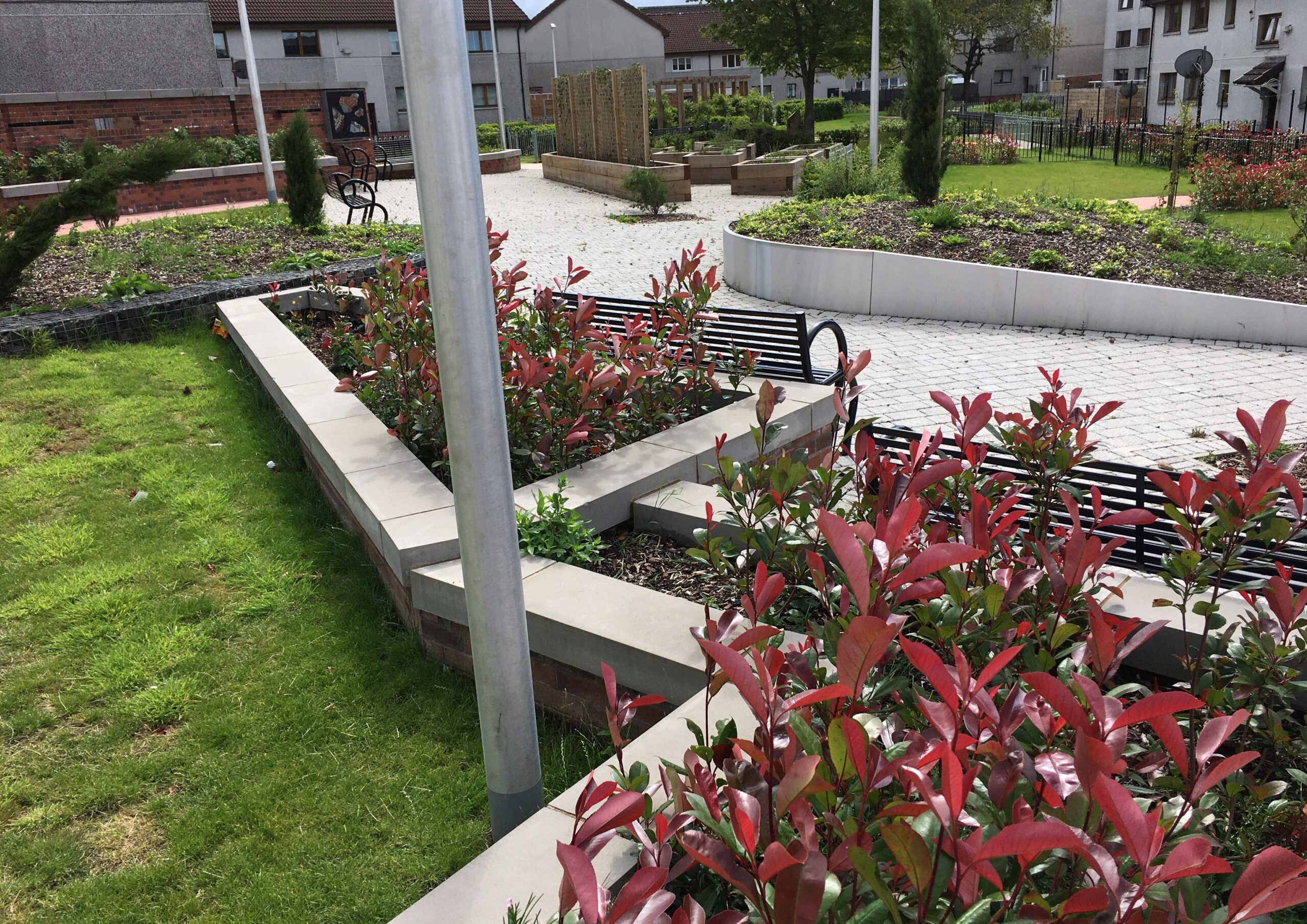
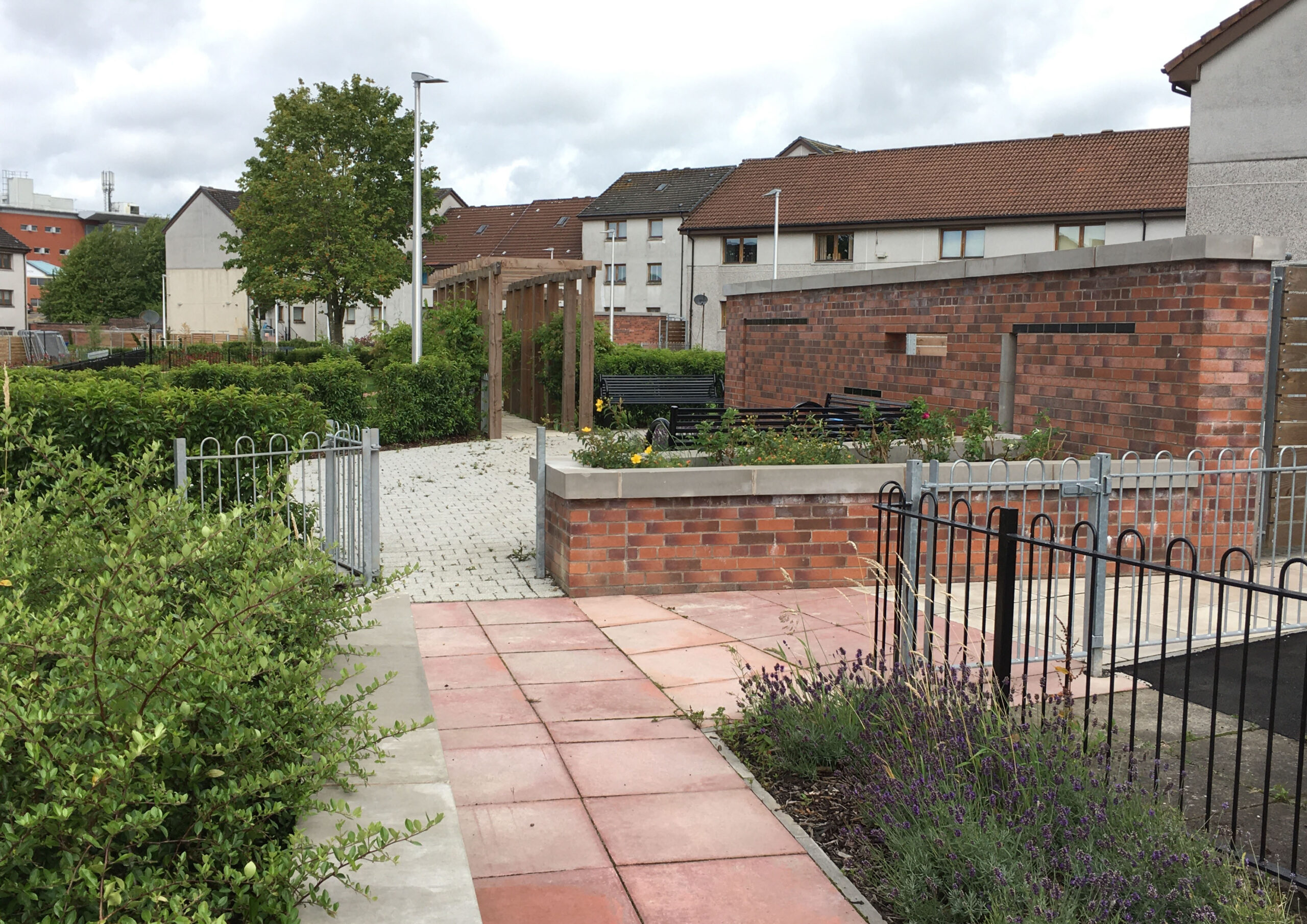
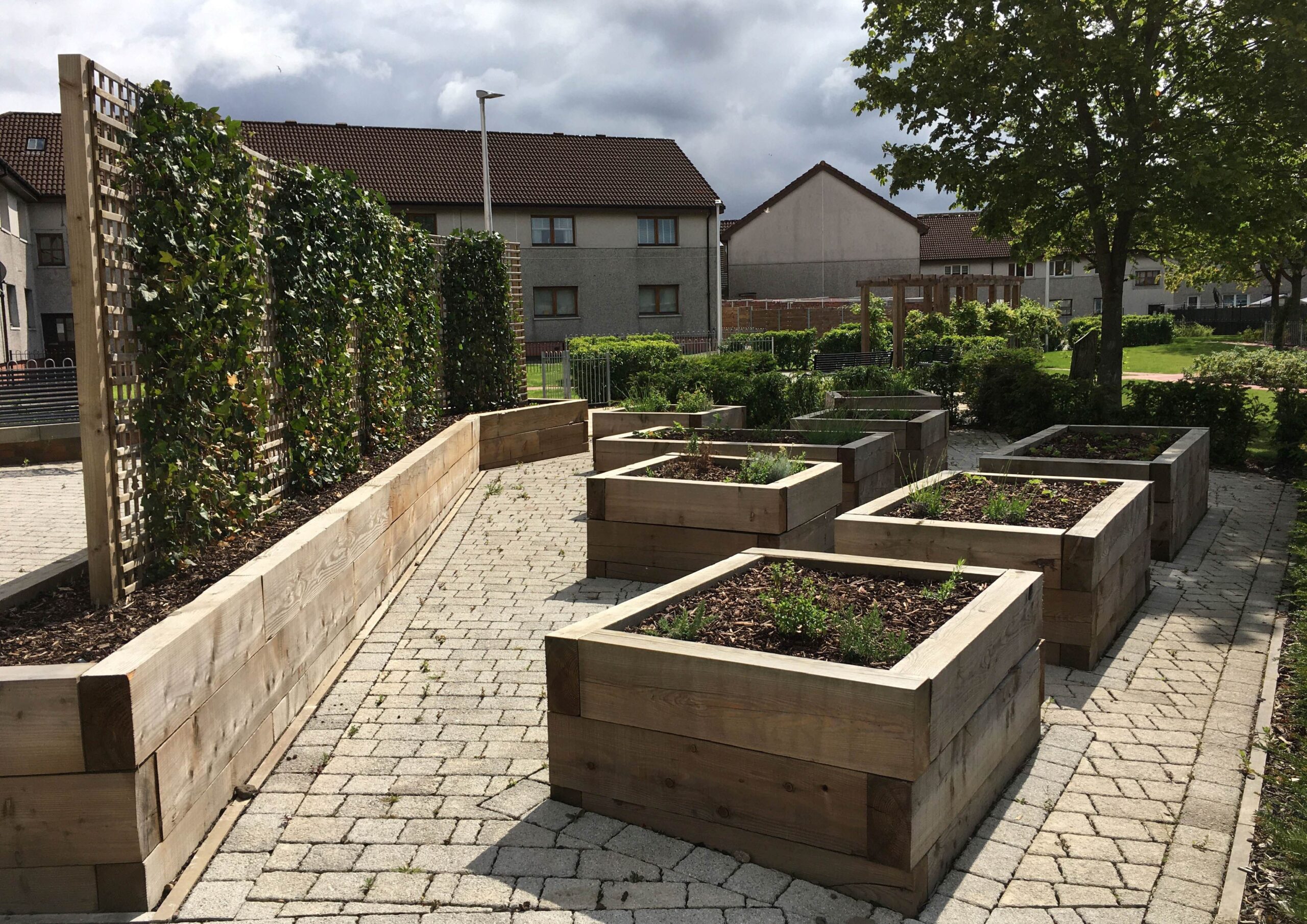
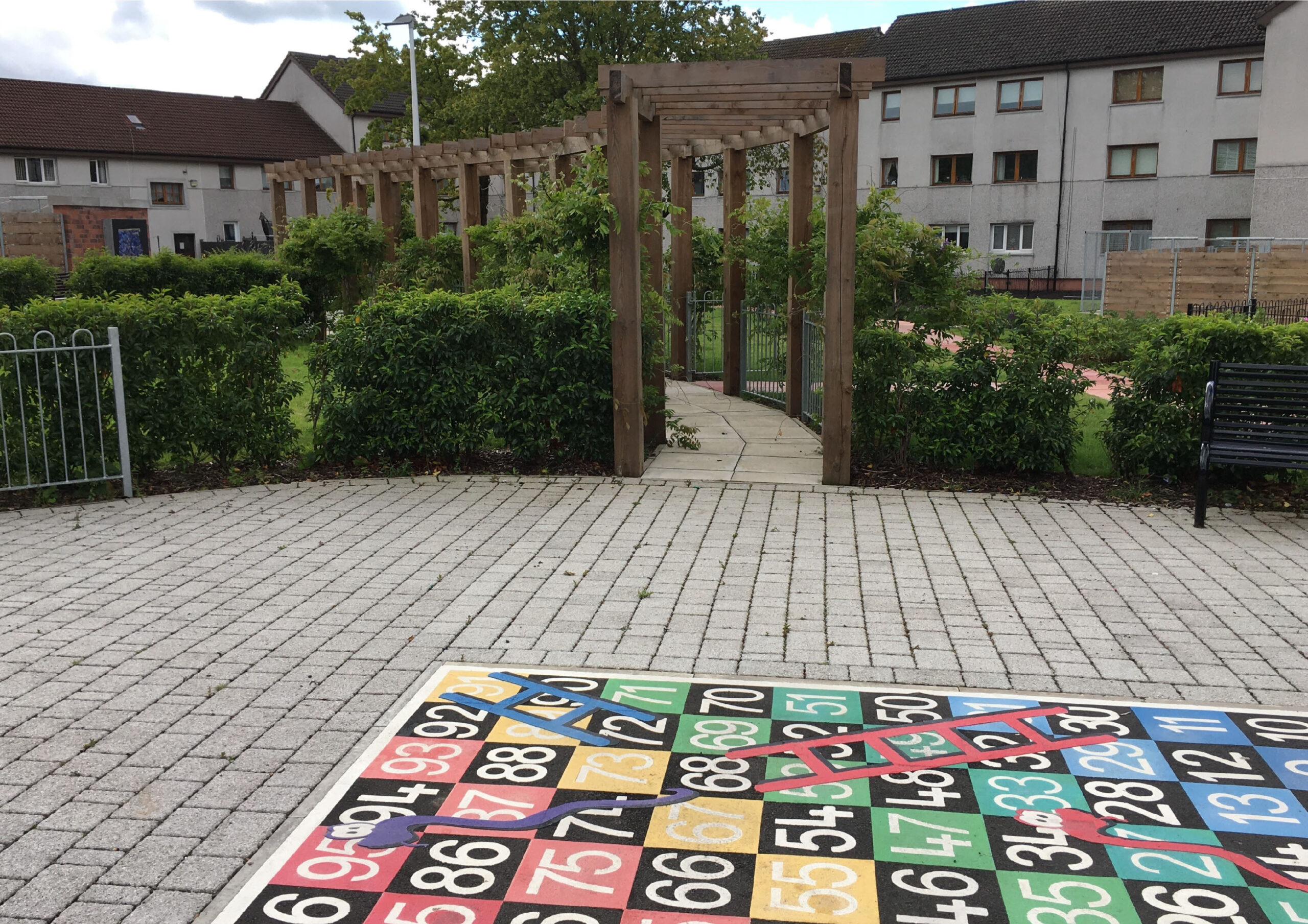
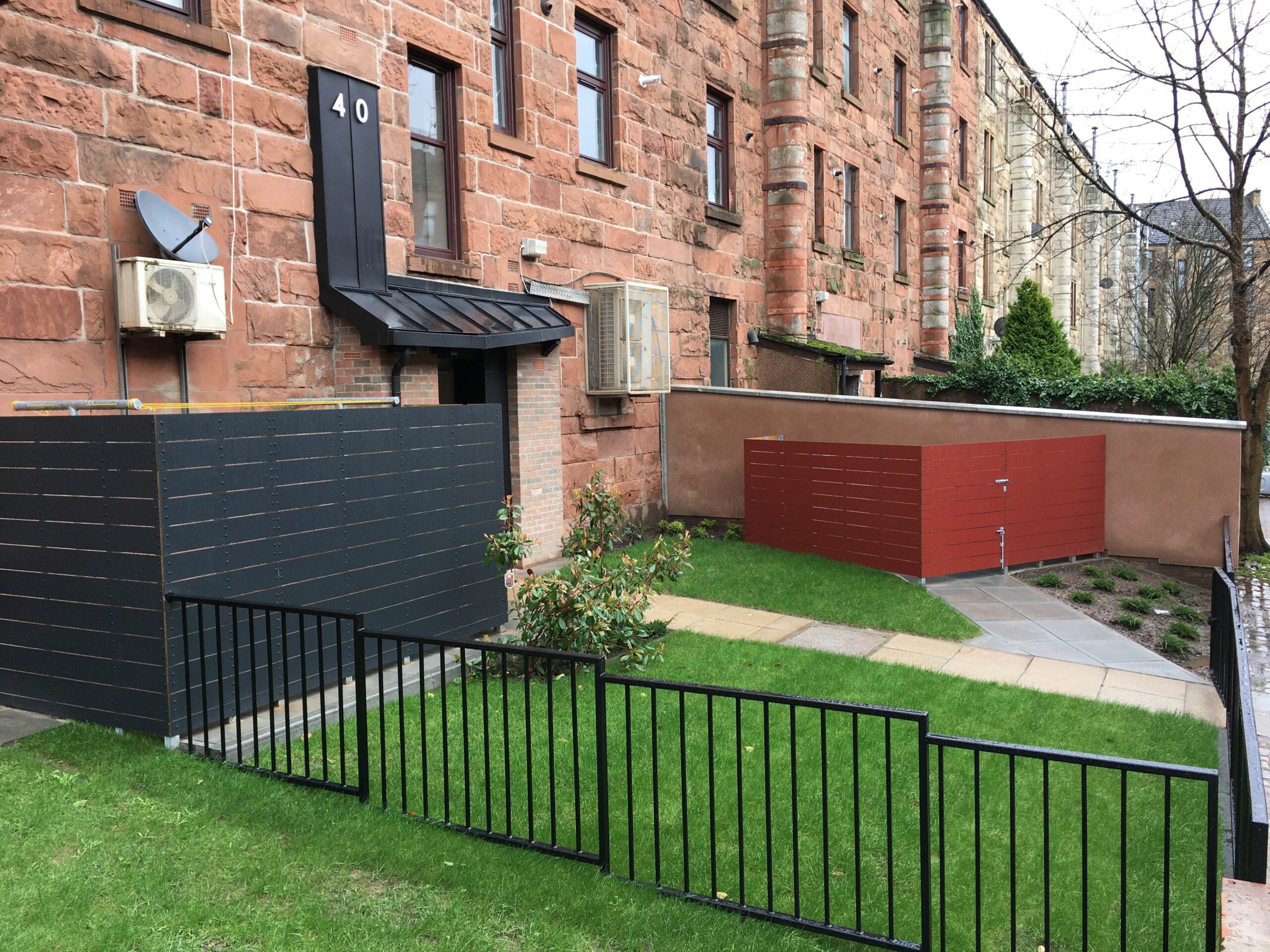
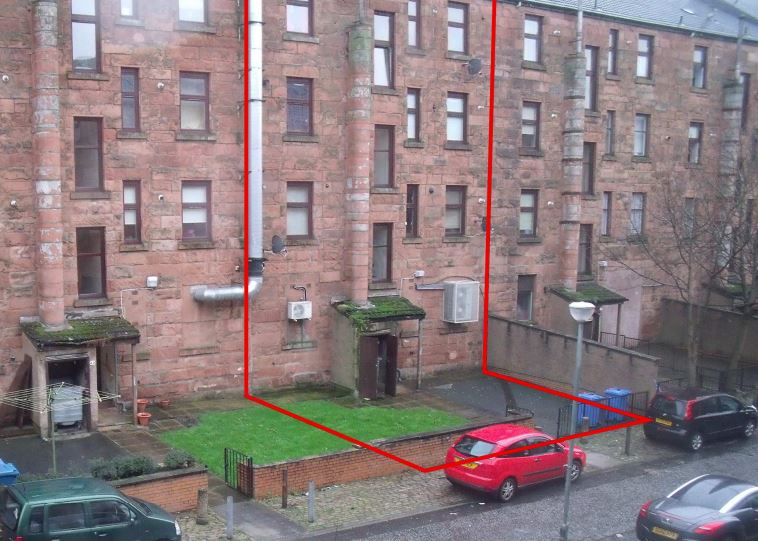
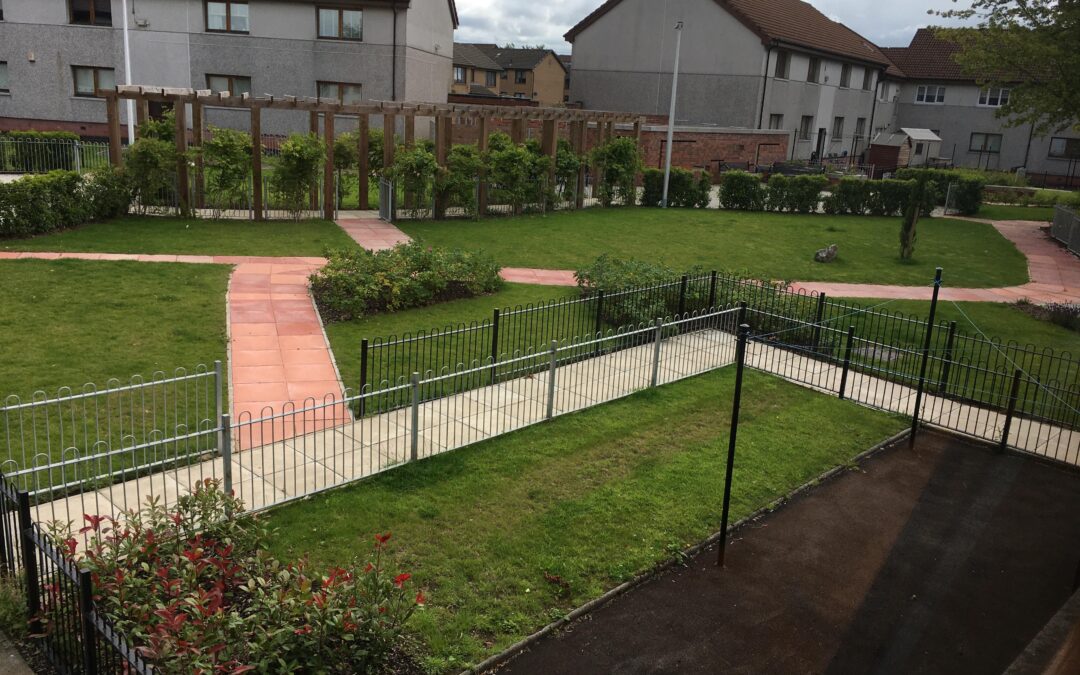
Blairtummock Area 1 was a large-scale backcourt transformation project that reimagined underused outdoor space as a welcoming and functional amenity for residents, while providing an improved landscaped setting to the rear entrances of the flatted blocks.

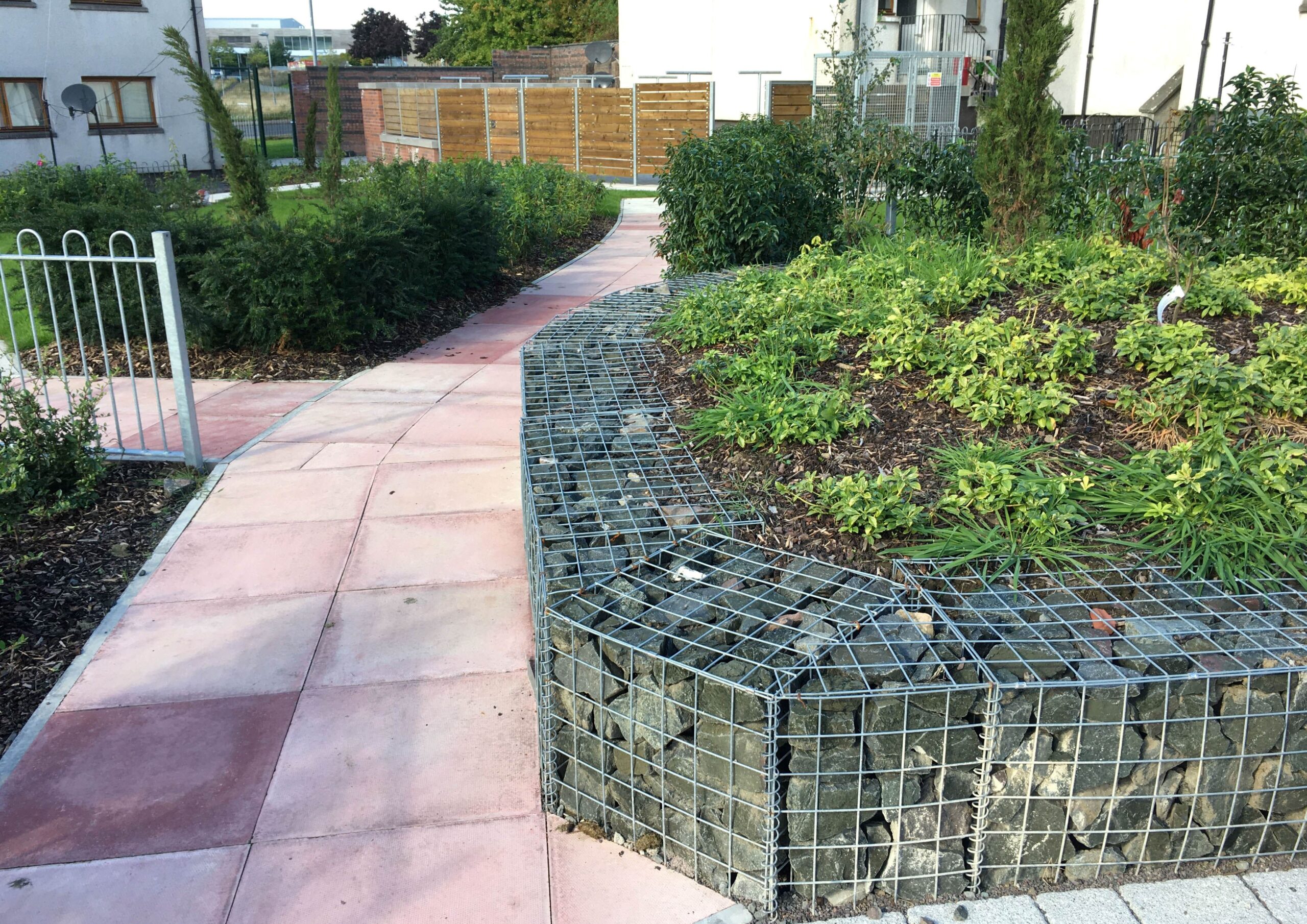
ASSIST Design’s in-house Landscape Designer, Alan Dunford, worked closely with Project Architect Richard Michnowicz to develop a cohesive landscape strategy. This included the careful selection of ground cover, shrubs, trees, hedging, and climbing plants for pergolas and trellis screens, alongside collaborative layout ideas that responded directly to the leisure and amenity aspirations of the brief.

Planting was deliberately chosen to soften and complement the existing hard materials—brick, timber, stone, steel, and concrete—with all species and layouts agreed in consultation with the client and planning authority. Although larger in scale and ambition, the principles established at Blairtummock Area 1 remain directly applicable to future Hathaway Lane forecourt transformations, including the sensitive relocation and screening of drying and refuse areas.

Regeneration | Hathaway Lane

Regeneration | Hathaway Lane

Projects

REGENERATION – HATHAWAY LANE

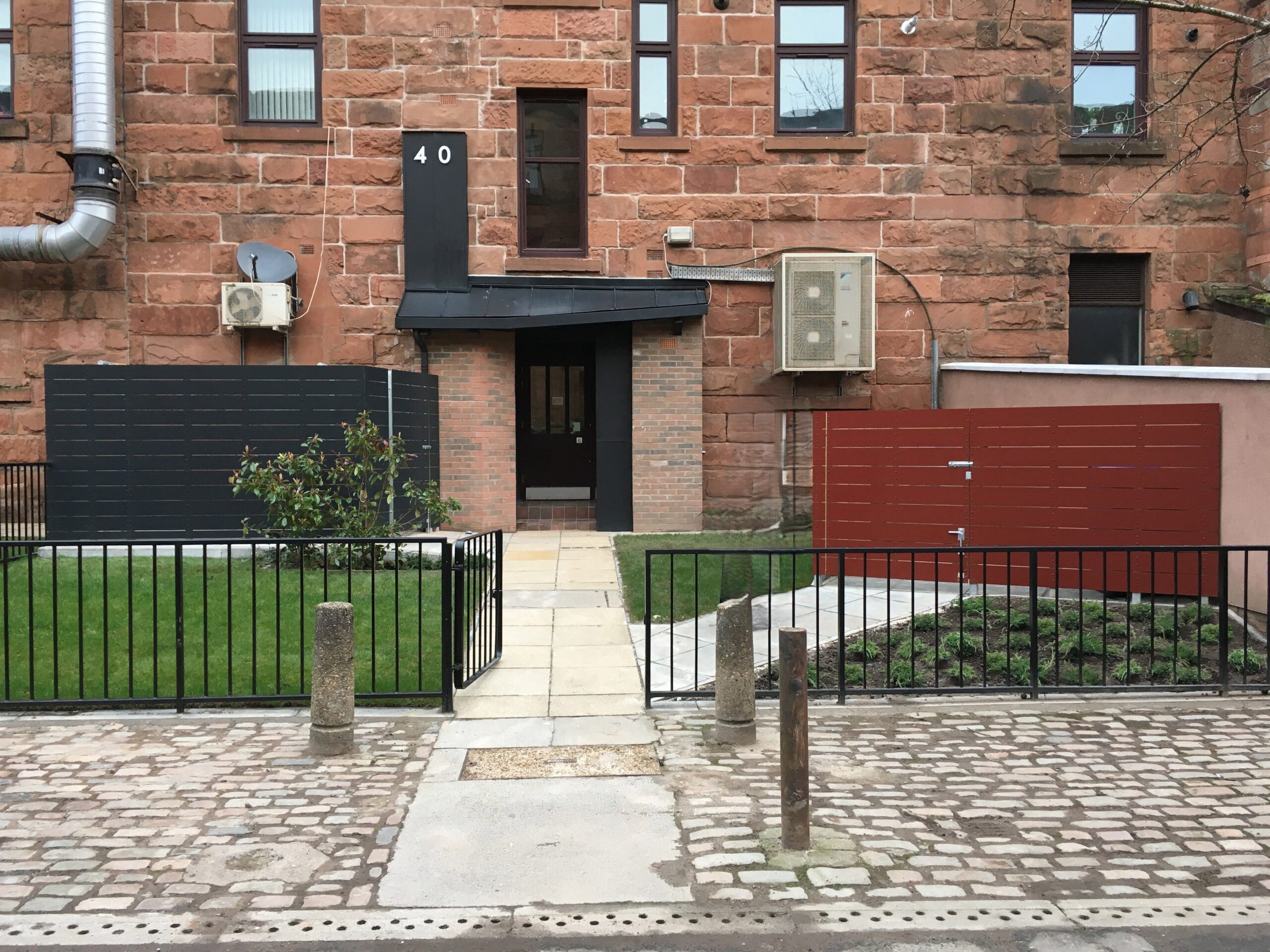
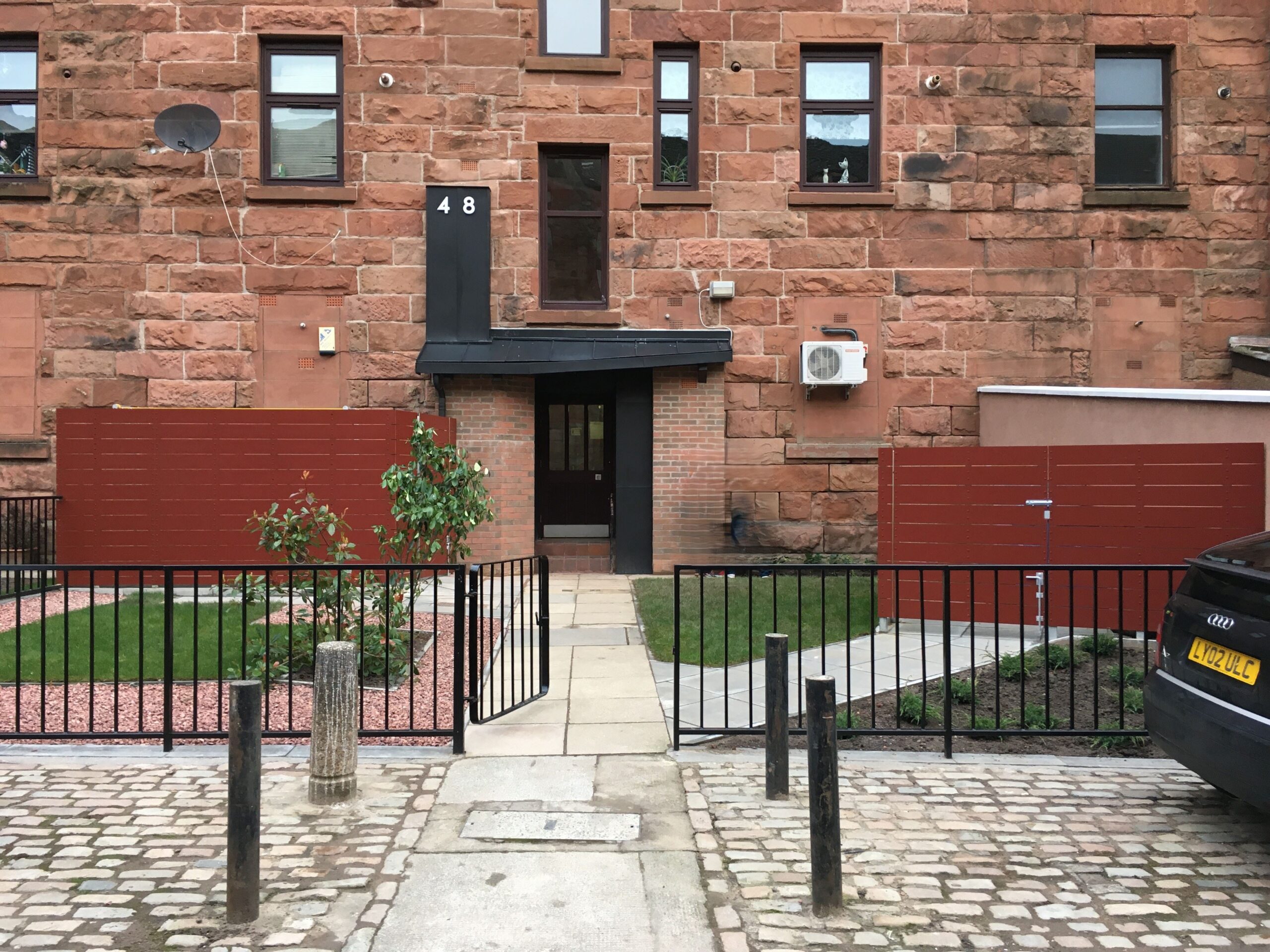
Having been involved in both the completed phase and the current on-site phase, ASSIST Design brought a clear understanding of the planners’ expectations for the entire lane, as well as the subtle variations permitted across individual addresses.

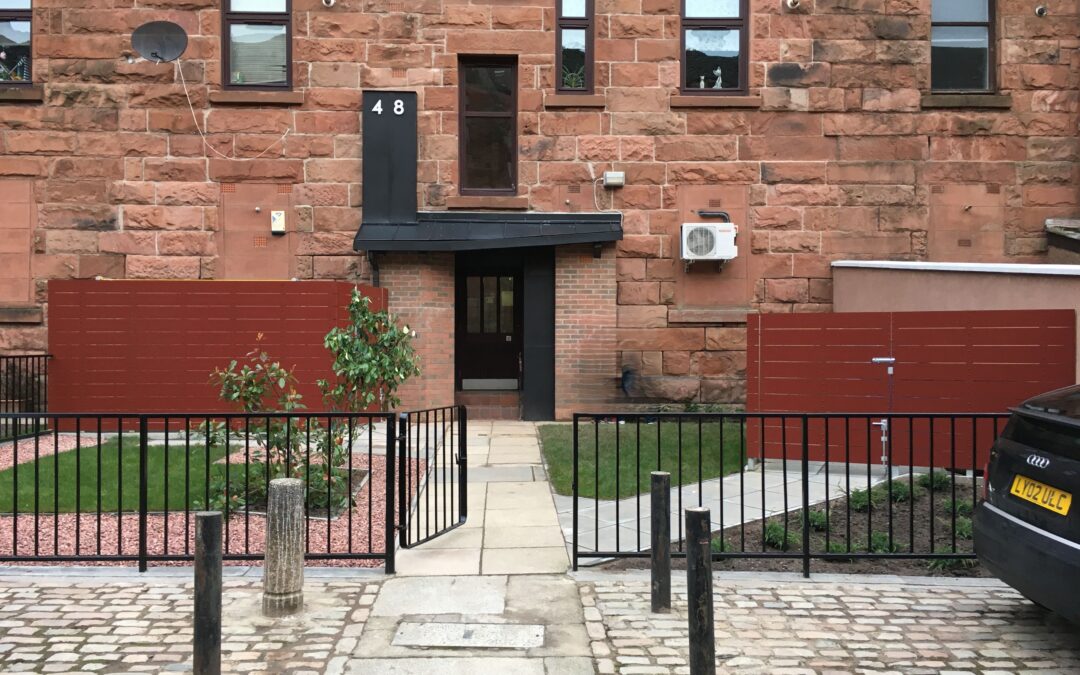
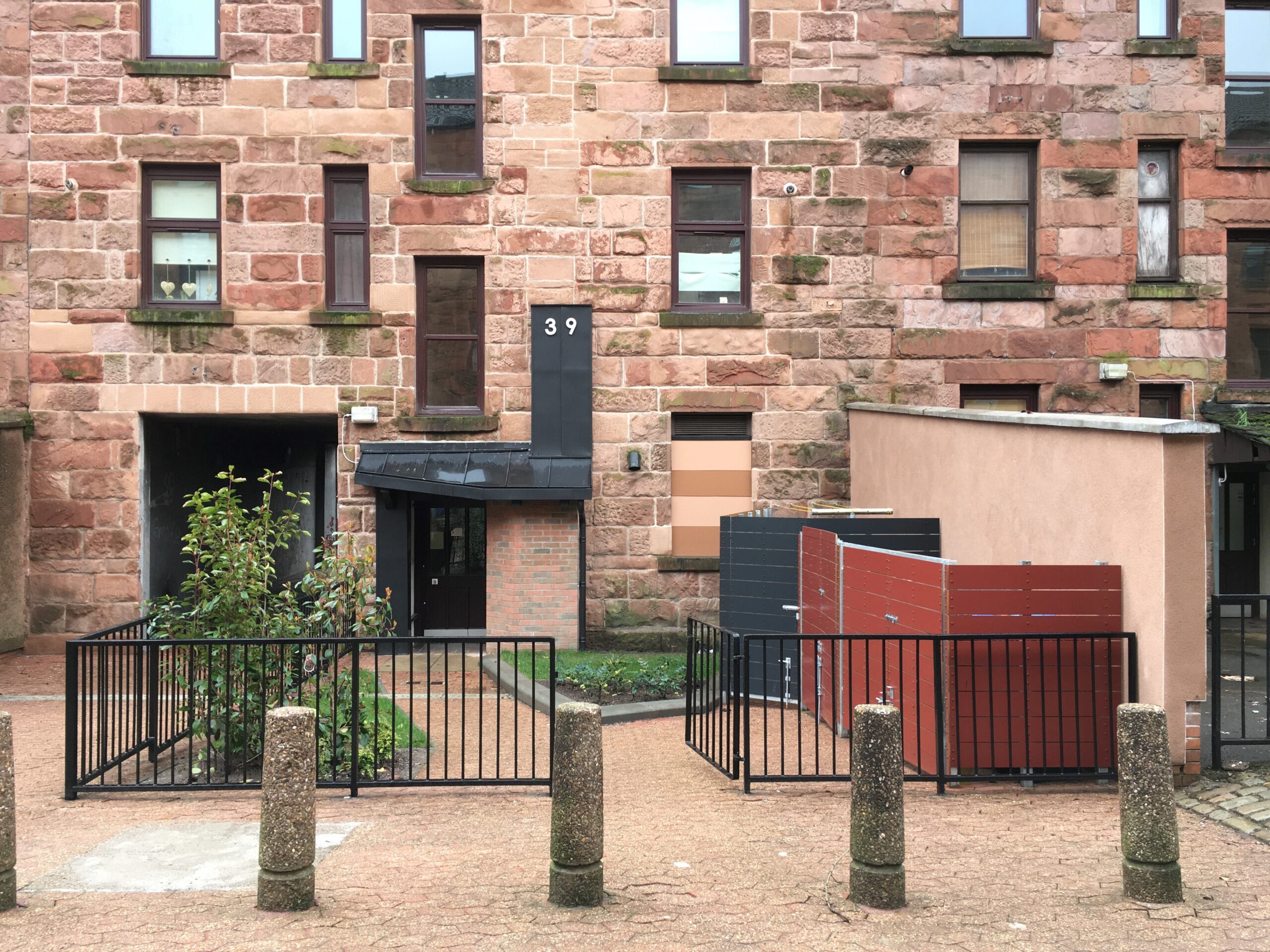
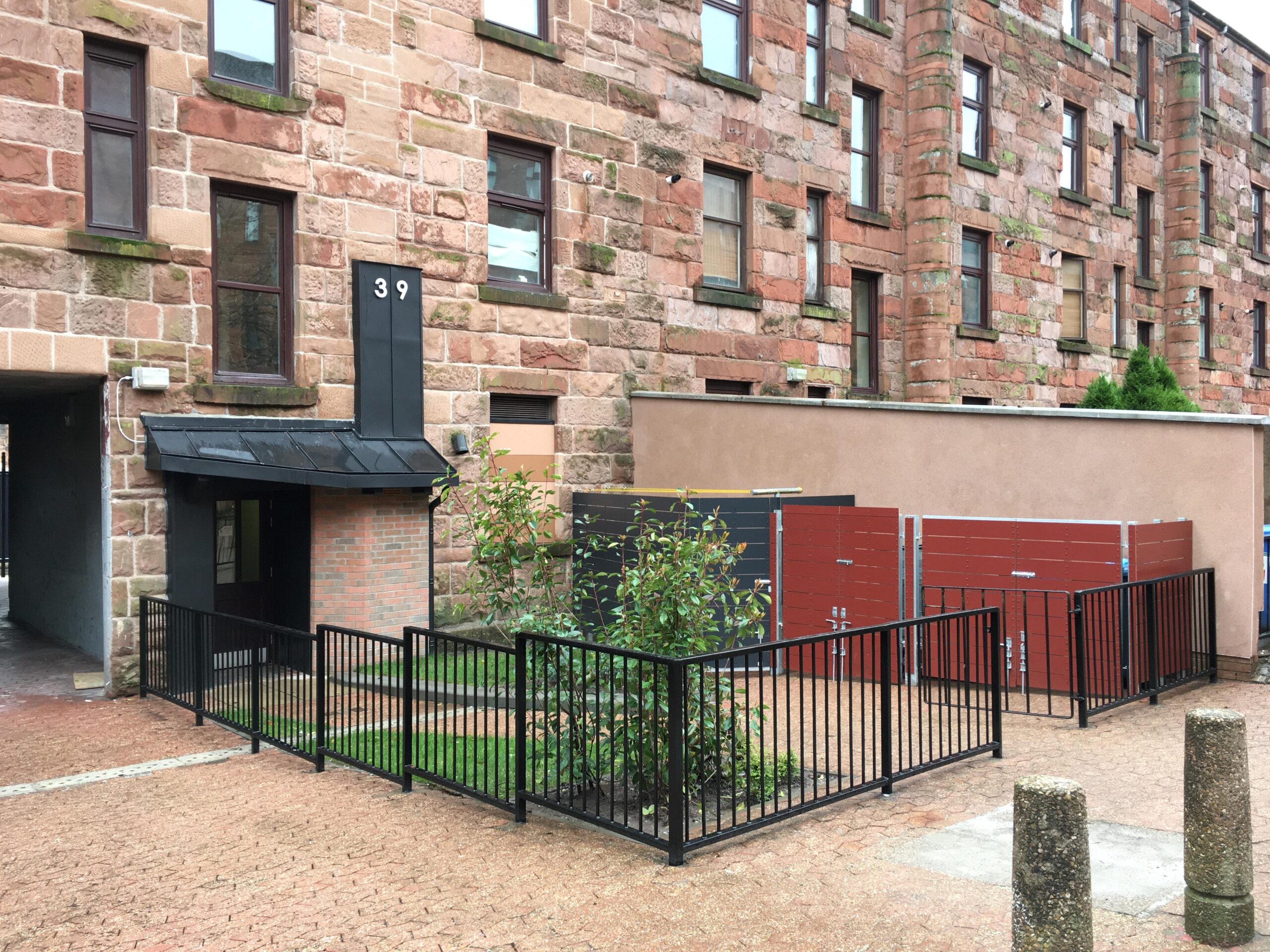
Following the removal of the bin chutes, a projecting pair of brick piers and an accentuated L-shaped zinc canopy were introduced to ensure the entrance remained legible and welcoming within the building’s stone massing. The black zinc canopy contrasts with the warm pink stone and incorporates an illuminated numeral, creating a prominent yet understated entrance marker visible from further along the lane.

This approach replaces the previously oppressive and unsightly bin chutes with a human-scaled, clearly defined point of arrival. Materials—including fire-resistant screening, muddy pink render, brickwork, and zinc—were carefully selected in collaboration with the client and planning authority to complement the existing stonework. Alongside the infilling of former wall openings, the intervention is conceived as a cohesive architectural response rather than a landscape-led solution.

Affordable Housing | Fa’side Lodge

Affordable Housing | Fa’side Lodge

Projects

AFFORDABLE HOUSING – FA’SIDE, TRANENT, EAST LOTHAIN COUNCIL  

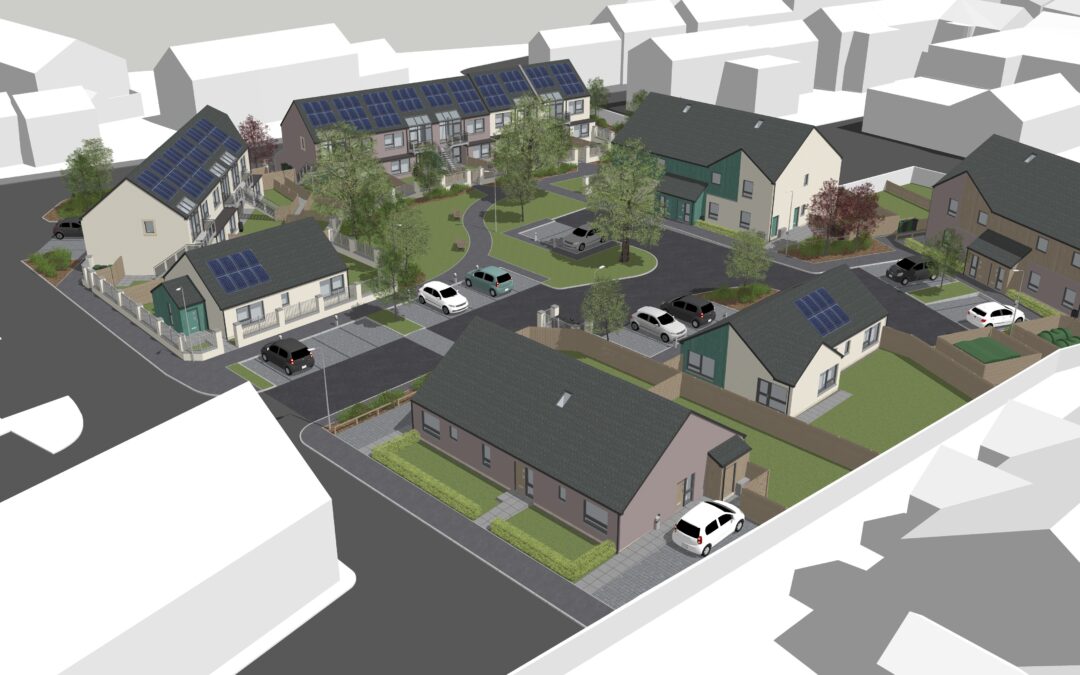
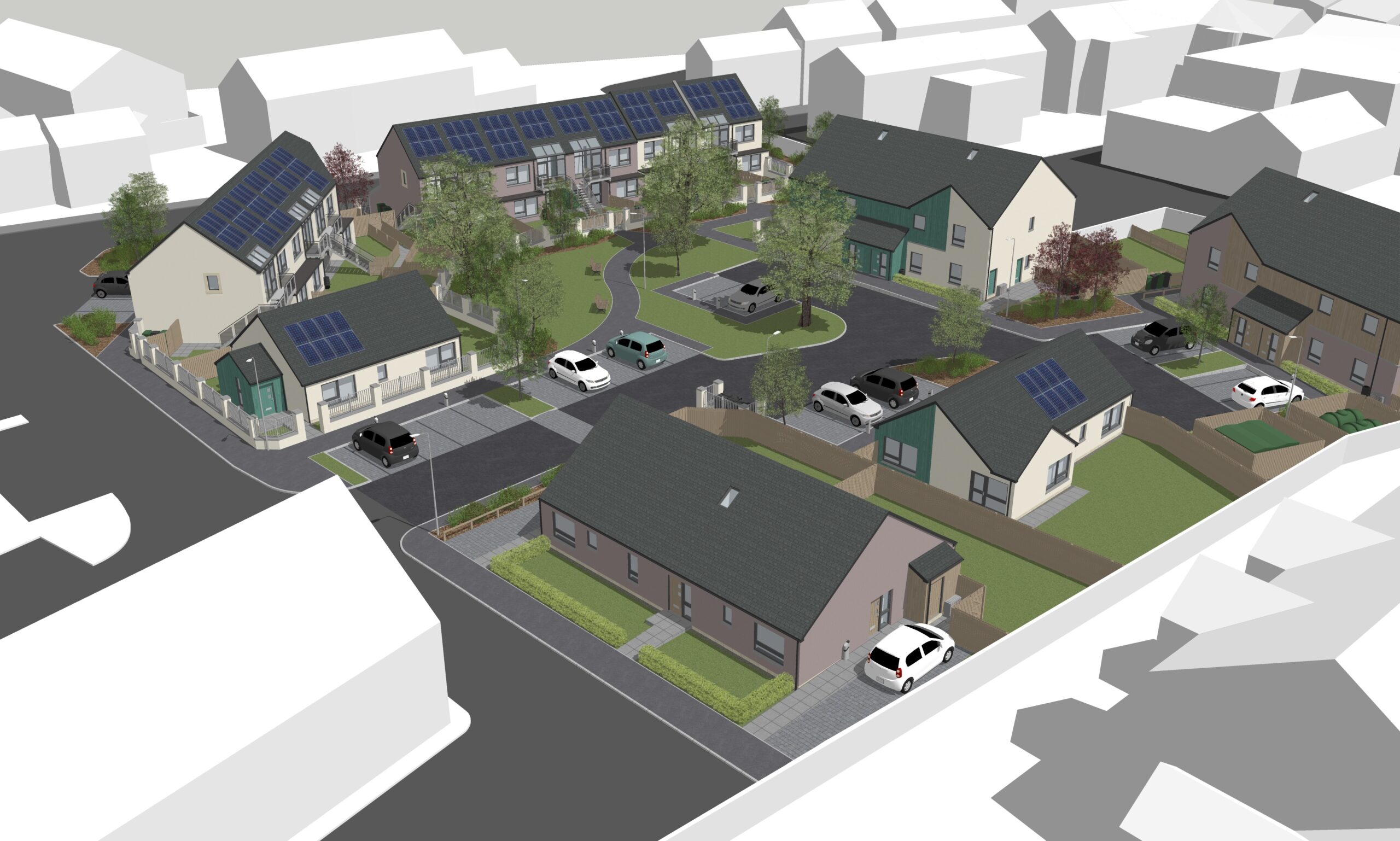
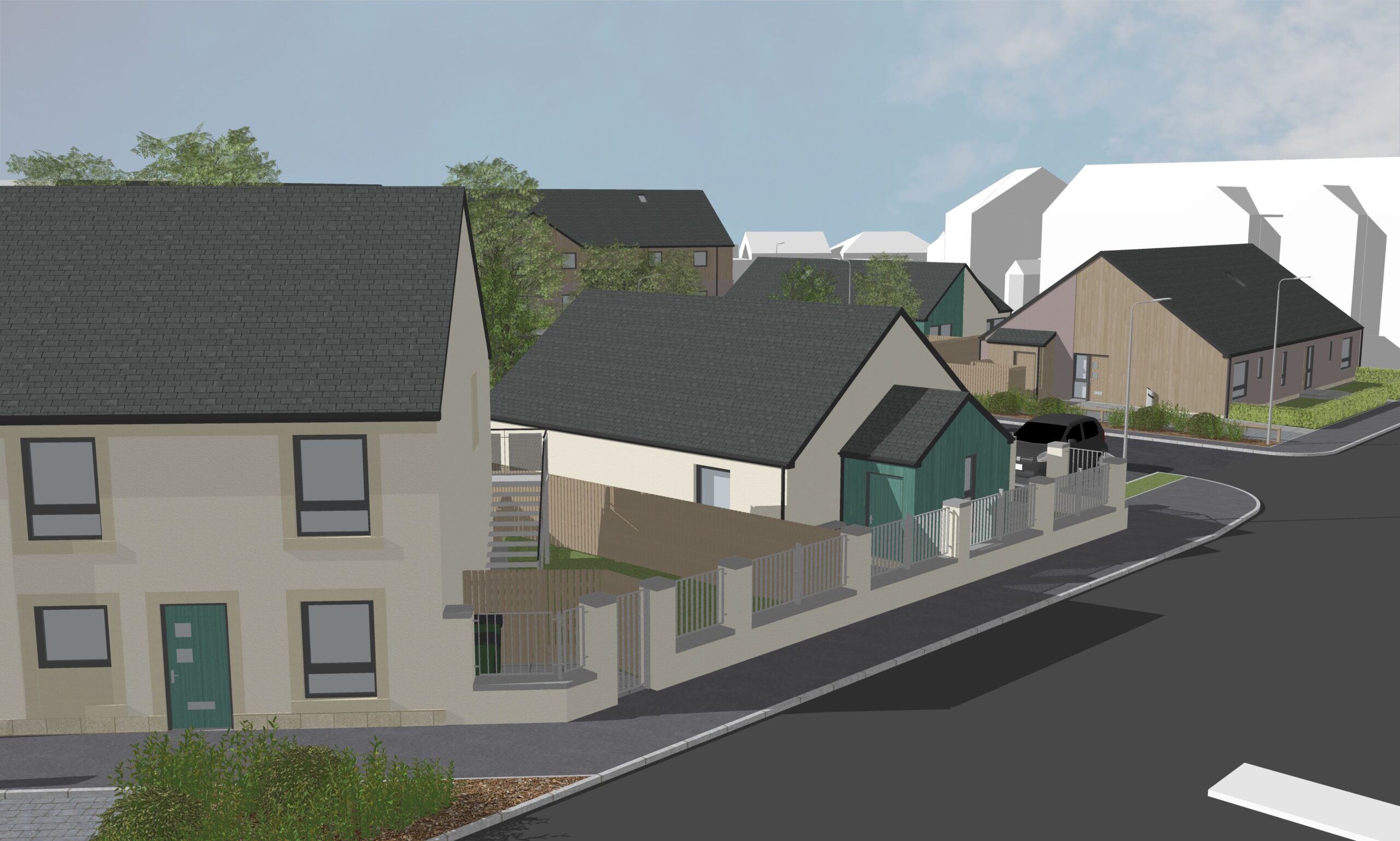
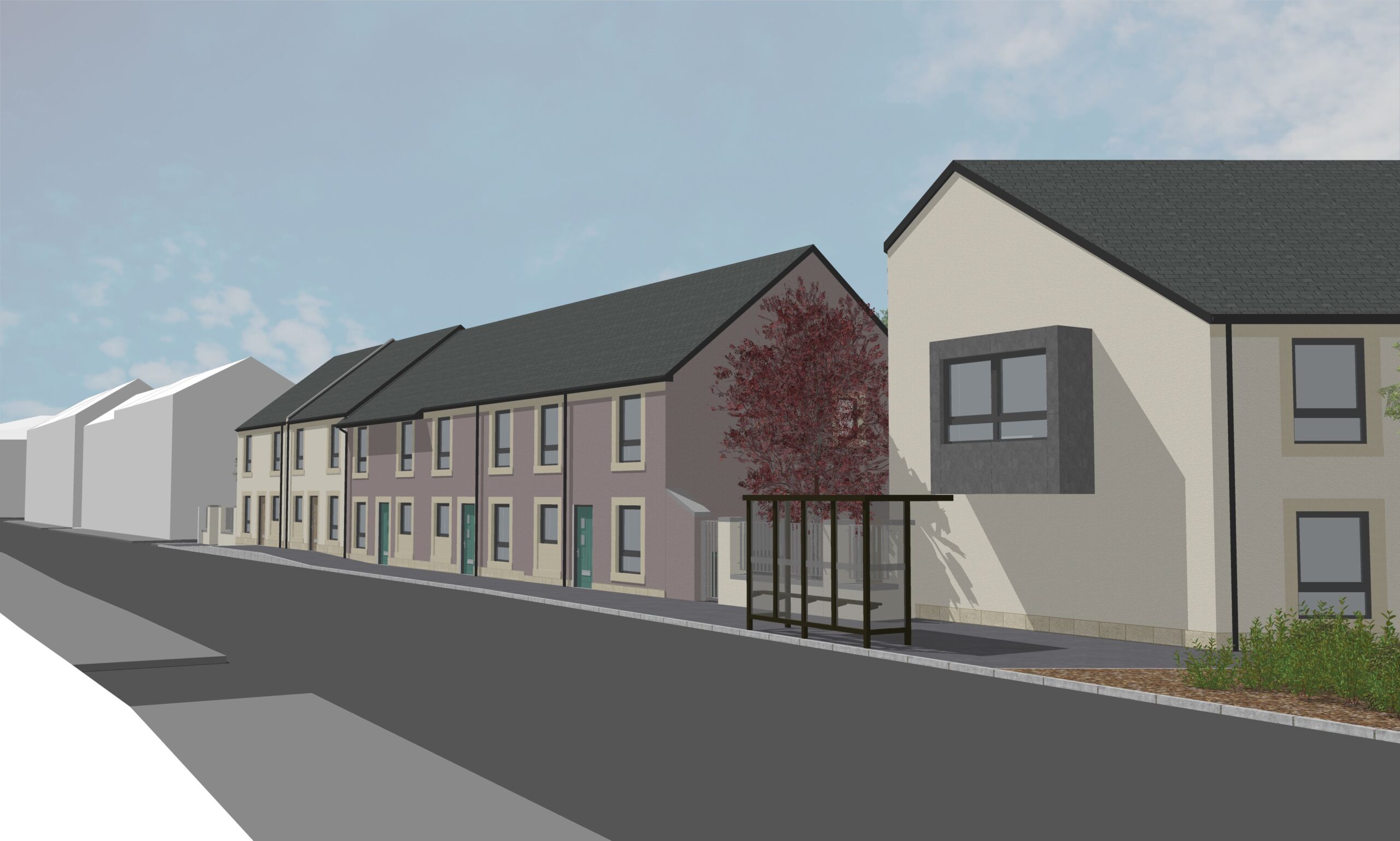
Commissioned by East Lothian Council, the Fa’side Lodge project redevelops a prominent brownfield site within Tranent town centre to deliver 28 affordable homes, including flats and bungalows designed to meet a range of mainstream and specialist housing needs. The development responds directly to the Council’s Climate Emergency ambitions, combining inclusive design with a robust low-carbon strategy.

Located approximately 80 metres north of the High Street, the 0.6-hectare site sits within the Tranent Conservation Area and is bounded by Church Street, Elder Court, and surrounding residential backlands. Formerly occupied by a care home and earlier industrial uses, the site required careful remediation and a sensitive architectural response to its historic context.

The layout establishes a strong urban edge along Church Street, reflecting the proportions, massing, and rhythms of the traditional burgess plots that characterise the historic townscape. Buildings are arranged around a central landscaped courtyard, referencing the former Fa’side Lodge, and creating a sheltered communal space that supports social interaction and passive surveillance. A clear hierarchy of public and private spaces, combined with defined pedestrian routes, ensures permeability while maintaining security and privacy.

The development includes a mix of one- and two-bedroom flats, wheelchair-accessible homes, and specialist supported accommodation. Several dwellings are designed specifically for wheelchair users, with level access, proximity parking, and tailored internal layouts. Dual-aspect homes and carefully positioned windows maximise daylight, outlook, and connection to the surrounding neighbourhood.

A comprehensive sustainability strategy underpins the design. Homes are orientated to maximise passive solar gain, with south-facing living spaces and integrated sunspaces where appropriate. Air Source Heat Pumps and roof-mounted photovoltaic arrays reduce reliance on fossil fuels, while high-performance building fabric, including SIPs panels and triple-glazed timber windows, ensures excellent thermal efficiency and reduced fuel costs for residents.

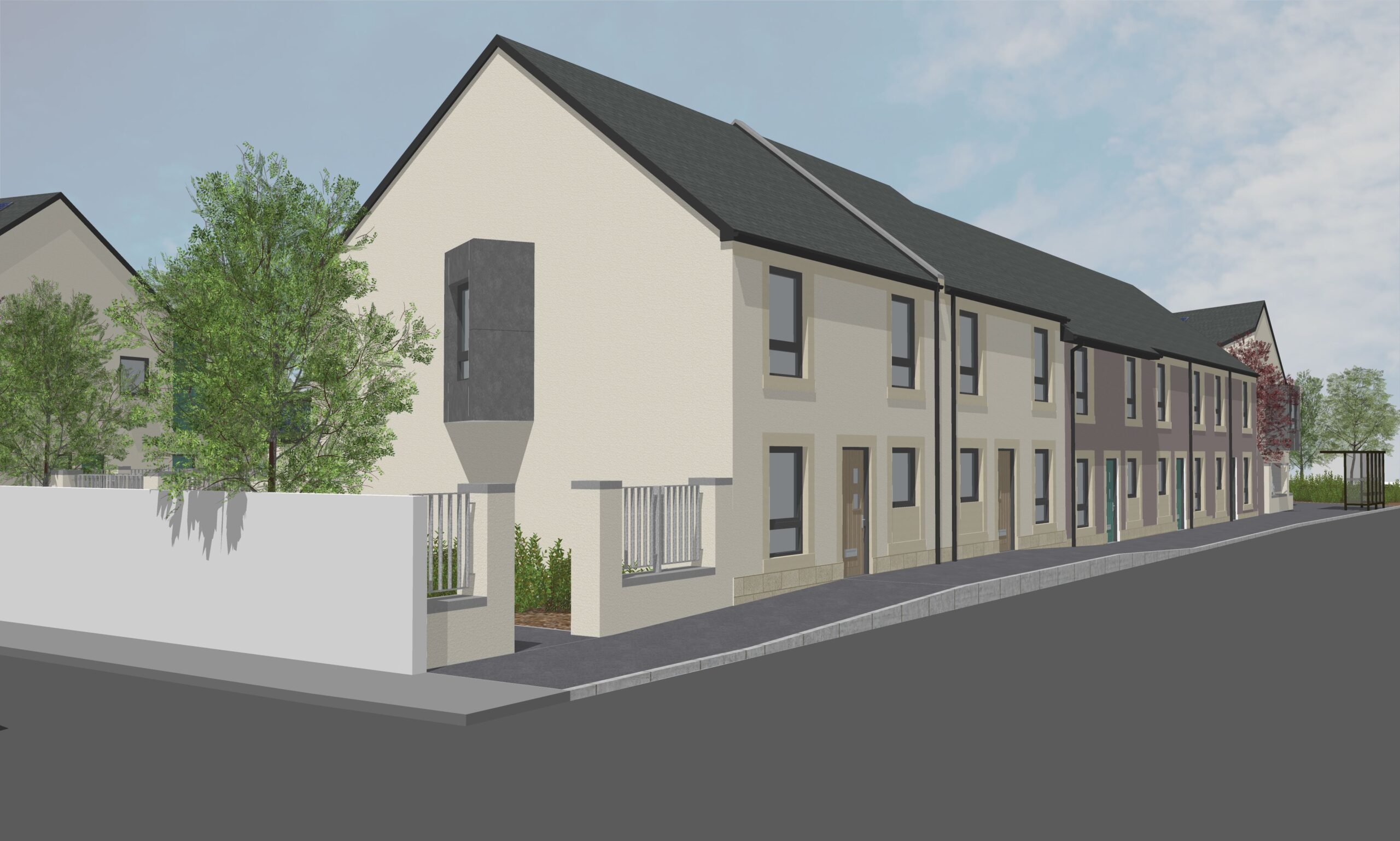
Materials have been carefully selected to complement the conservation area, combining harled finishes, natural slate roofs, timber windows and doors, zinc detailing, and reconstituted stone elements. Boundary treatments of masonry walls, railings, and hedging reinforce the urban character and define spaces clearly.

Landscaping plays a central role in placemaking. Although existing vegetation was removed as part of site remediation, new long-life trees and structured planting reintroduce greenery and create a high-quality communal environment at the heart of the scheme.

Fa’side Lodge demonstrates how complex, constrained urban sites can be transformed into inclusive, sustainable housing that strengthens town centre living while responding sensitively to heritage, accessibility, and environmental responsibility.

GALLERY

Affordable Housing | Letham Mains

Affordable Housing | Letham Mains

Projects

AFFORDABLE HOUSING – LETHAM MAINS, HADDINGTON, EAST LOTHAIN

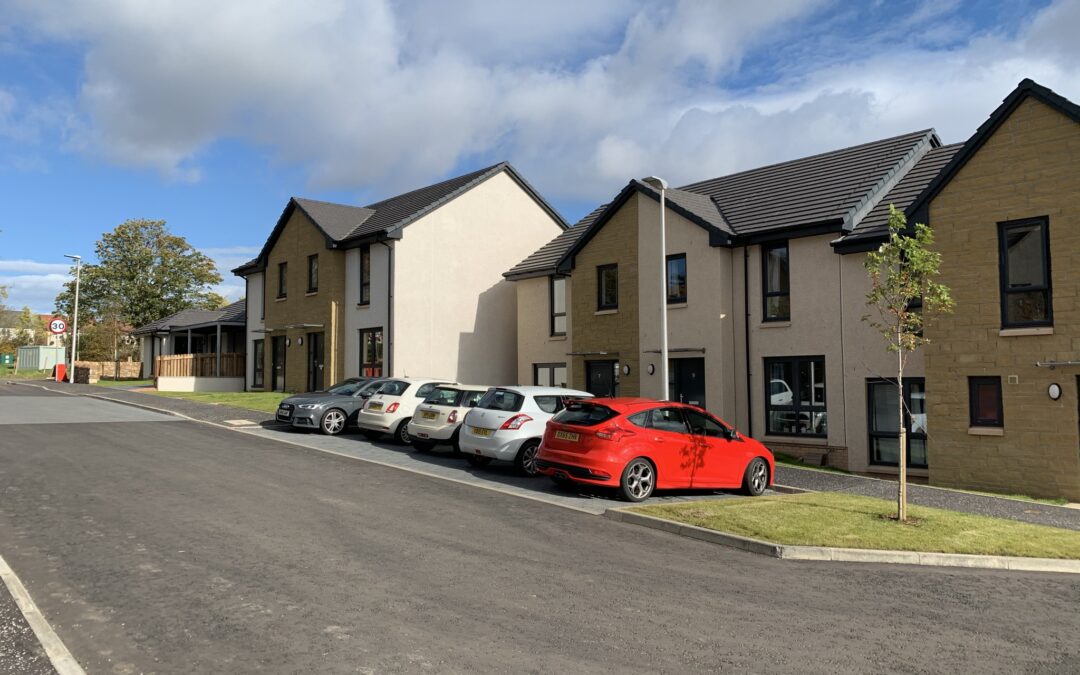
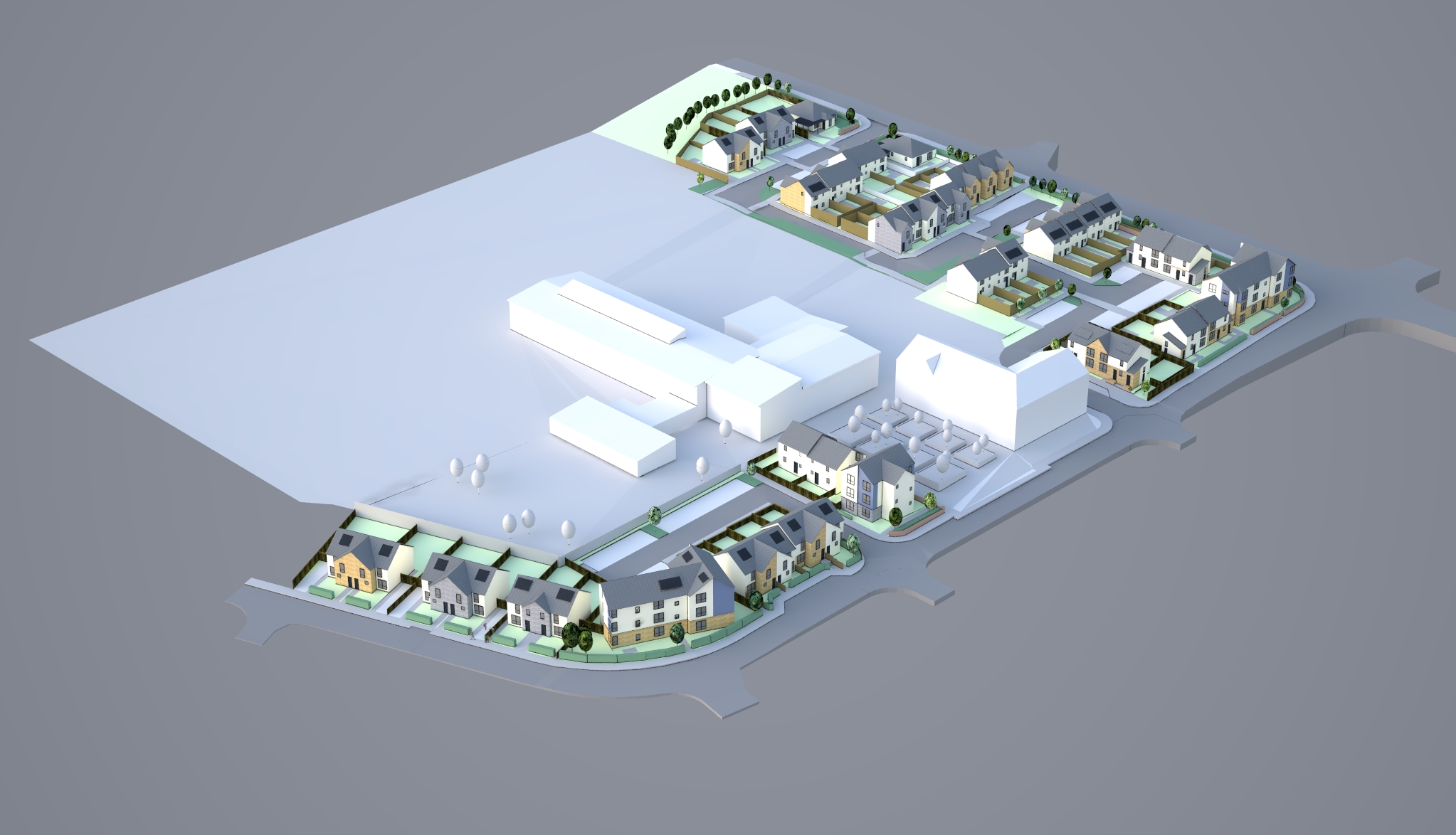
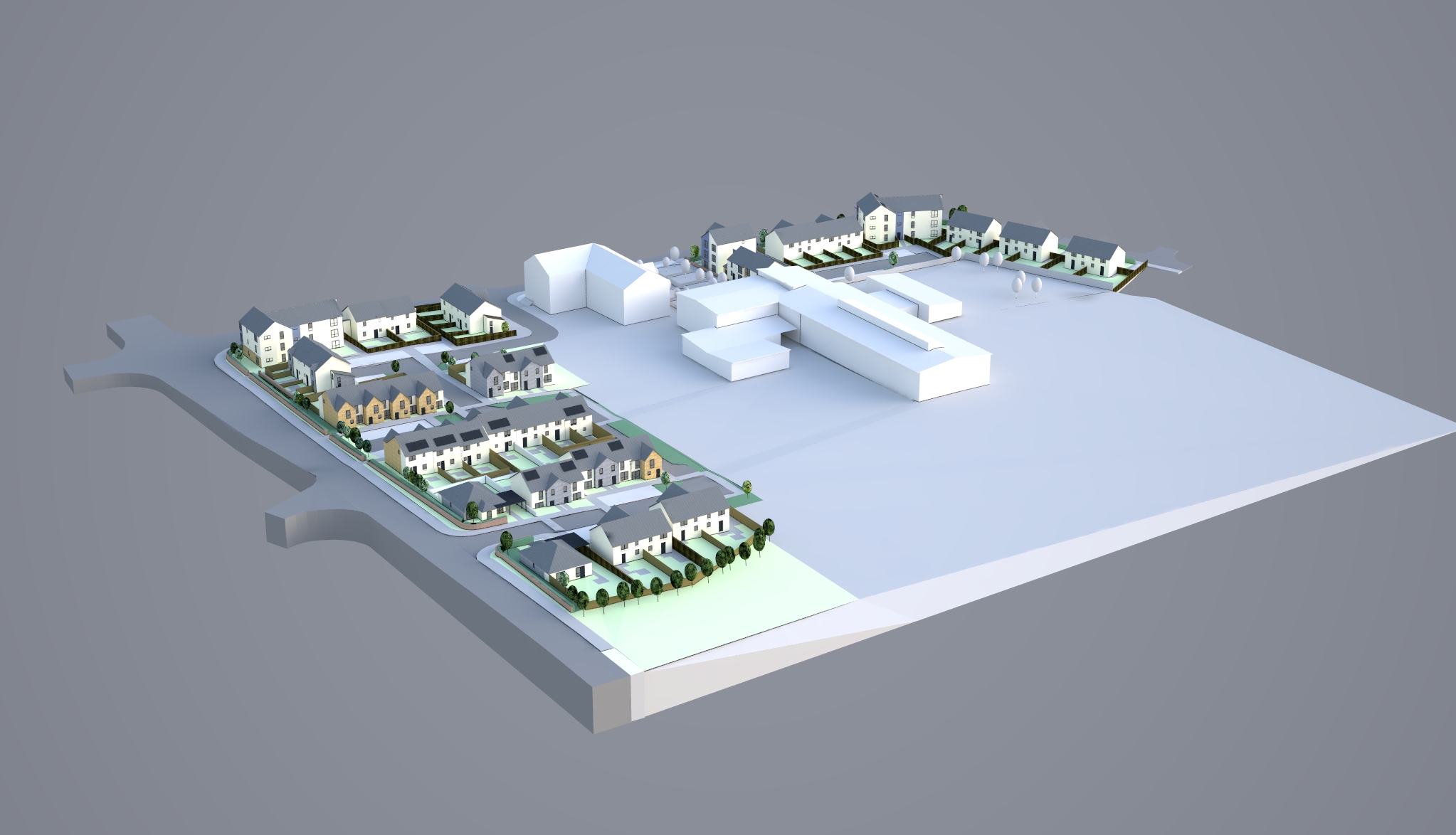
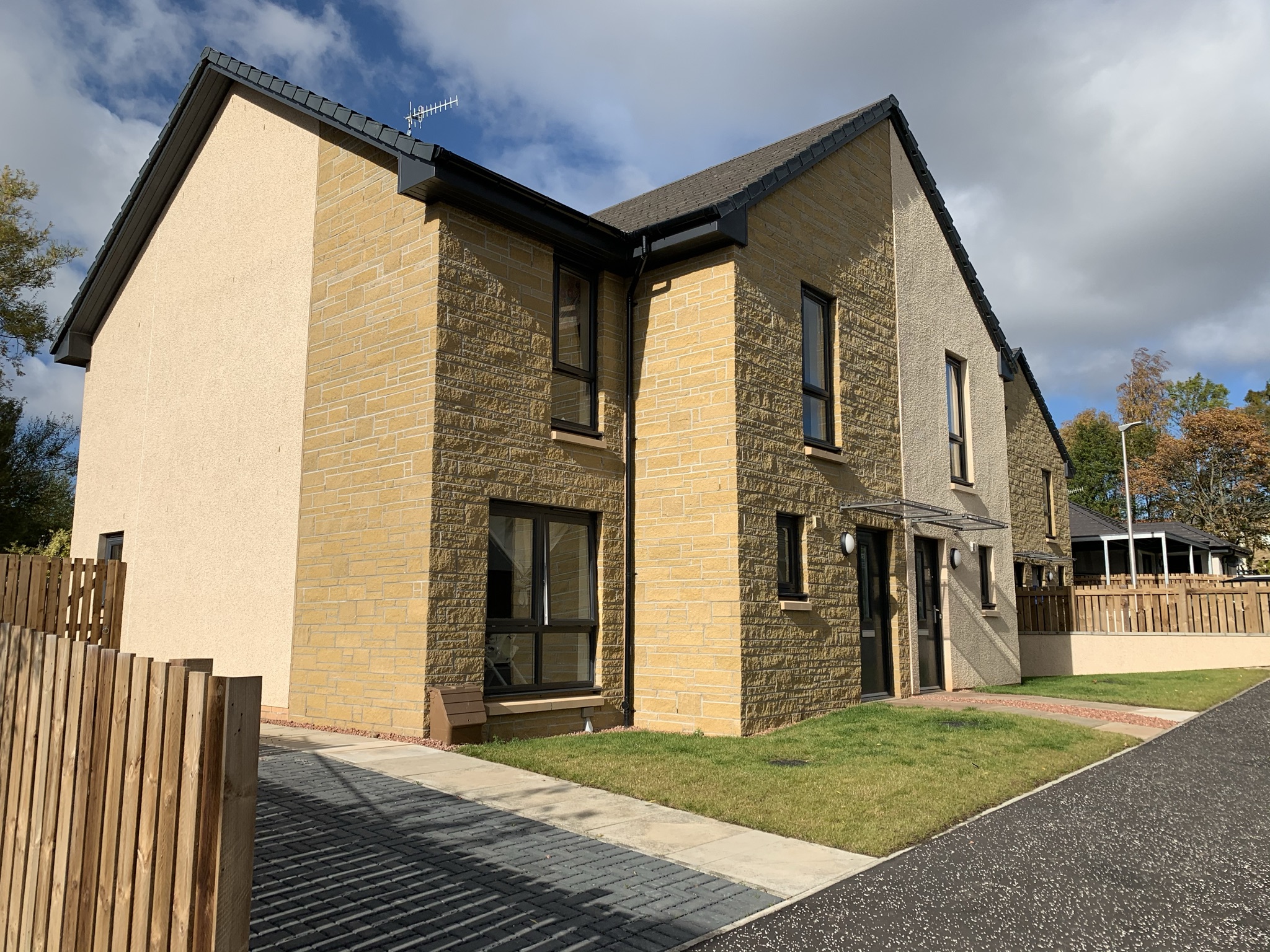
Commissioned by East Lothian Council, the project delivers 66 affordable homes comprising a diverse mix of large family houses, smaller flats, and wheelchair-accessible bungalows. The development spans two sites surrounding Letham Mains Primary School within one of the largest new residential developments in the region at Letham Mains, Haddington.

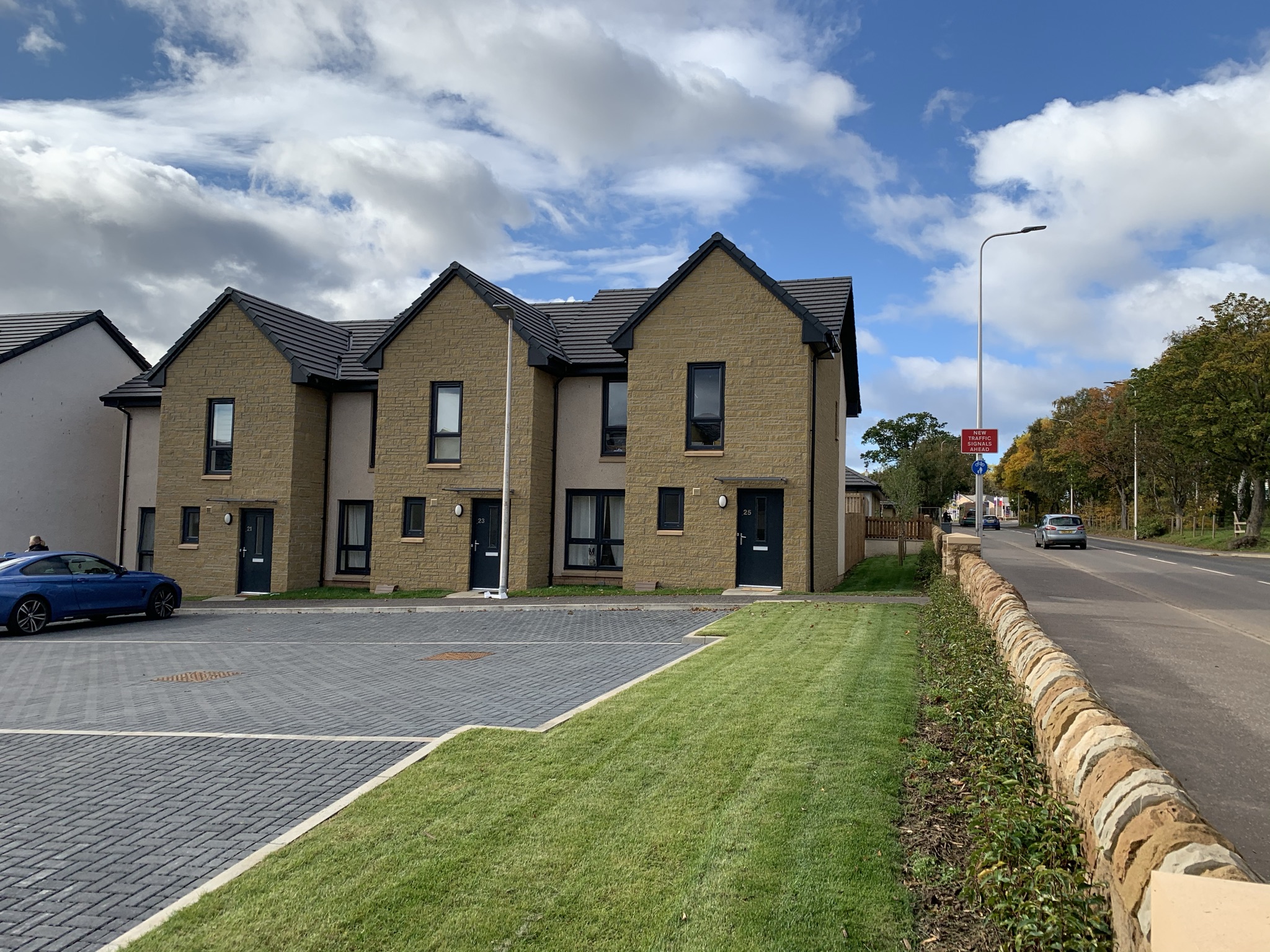
The northern site is located adjacent to the B6471, where a newly constructed stone wall provides a clear visual and physical boundary. Its main access aligns with the primary entrance to the wider Letham Mains development, ensuring seamless integration with the surrounding neighbourhood.

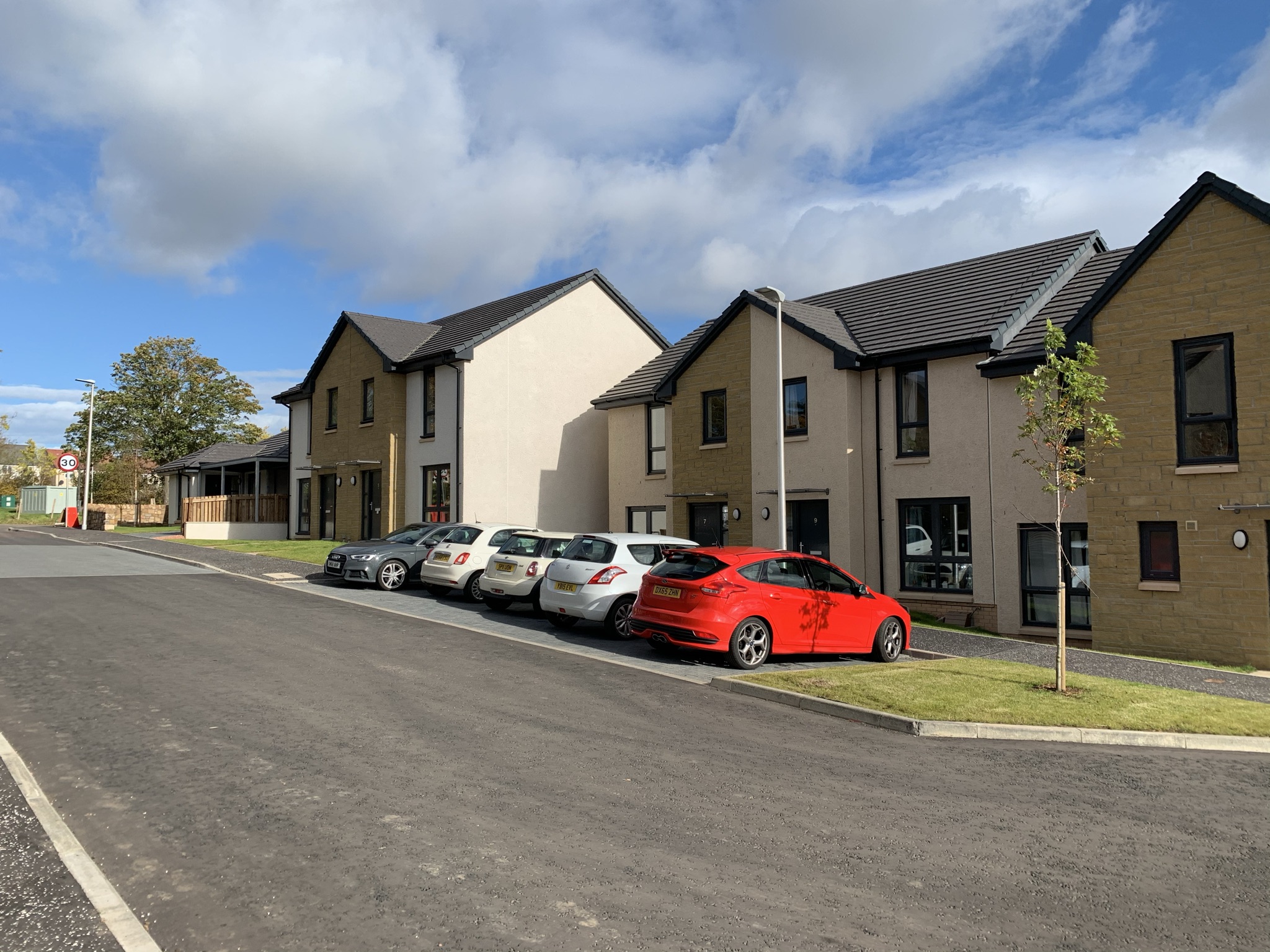
A complementary palette of render and stone has been employed to create a sympathetic architectural response to the character of Haddington. Dark grey painted timber windows and doors unify the elevations and provide a contemporary yet contextual finish.

The development includes a range of affordable tenures and house types, with two-, three-, and four-bedroom homes alongside two bungalows specifically designed to meet the needs of wheelchair users.

The southern site sits within the heart of the wider development, where the homes address a central square that will be developed in future phases. This space is anticipated to become a focal point for the community as the neighbourhood evolves.

A simple and robust sustainability strategy underpins the design, focused on delivering well-insulated, energy-efficient homes that meet long-term government CO₂ reduction targets. All principal building elements exceed current Building Standards through enhanced thermal performance, and each dwelling incorporates a roof-mounted photovoltaic array to supplement energy use, reduce carbon emissions, and generate renewable energy benefits.

GALLERY

Urban Infill – Quality Street

Urban Infill – Quality Street

Projects

URBAN INFILL – QUALITY STREET, DYSART, FIFE


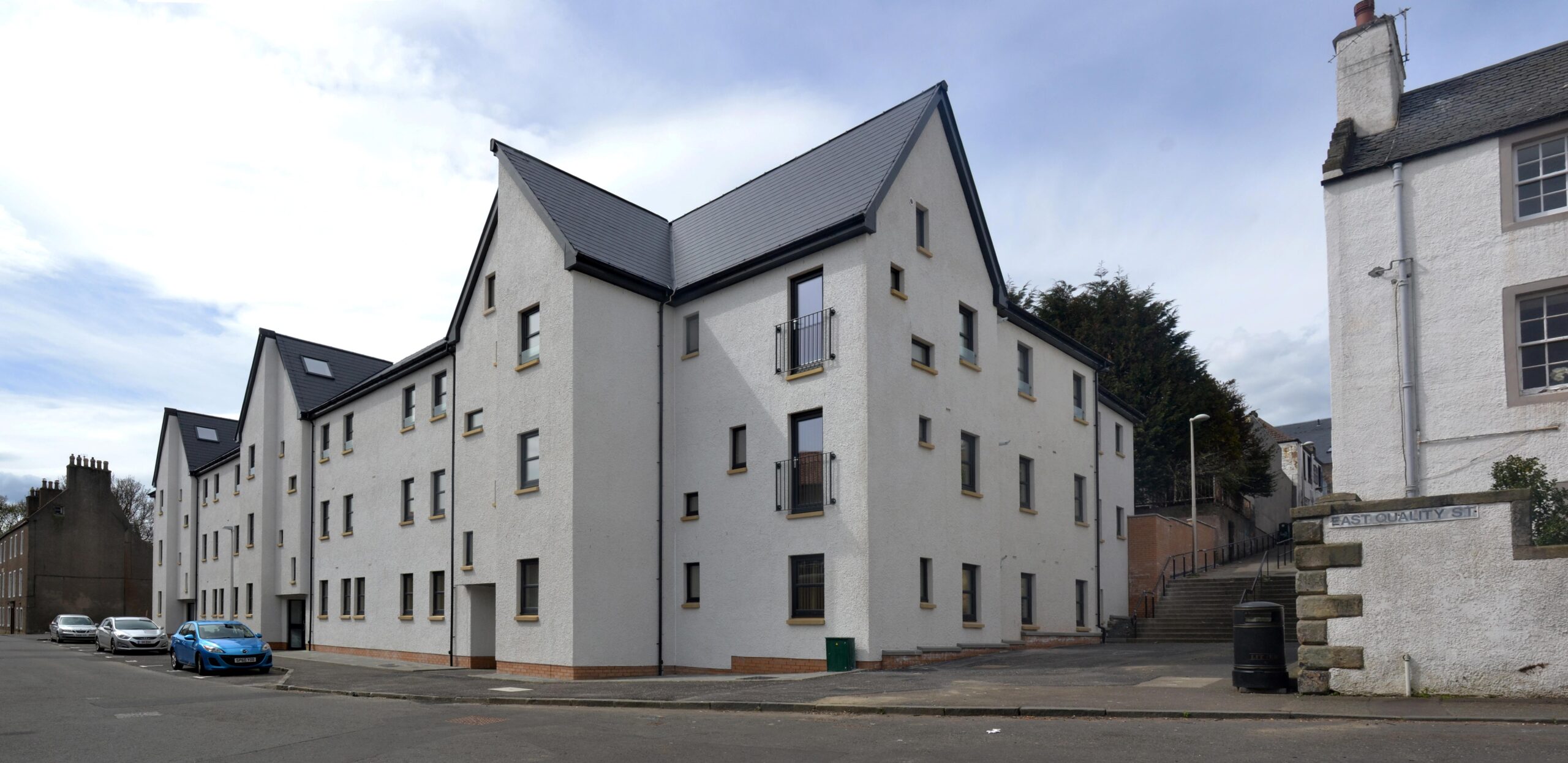
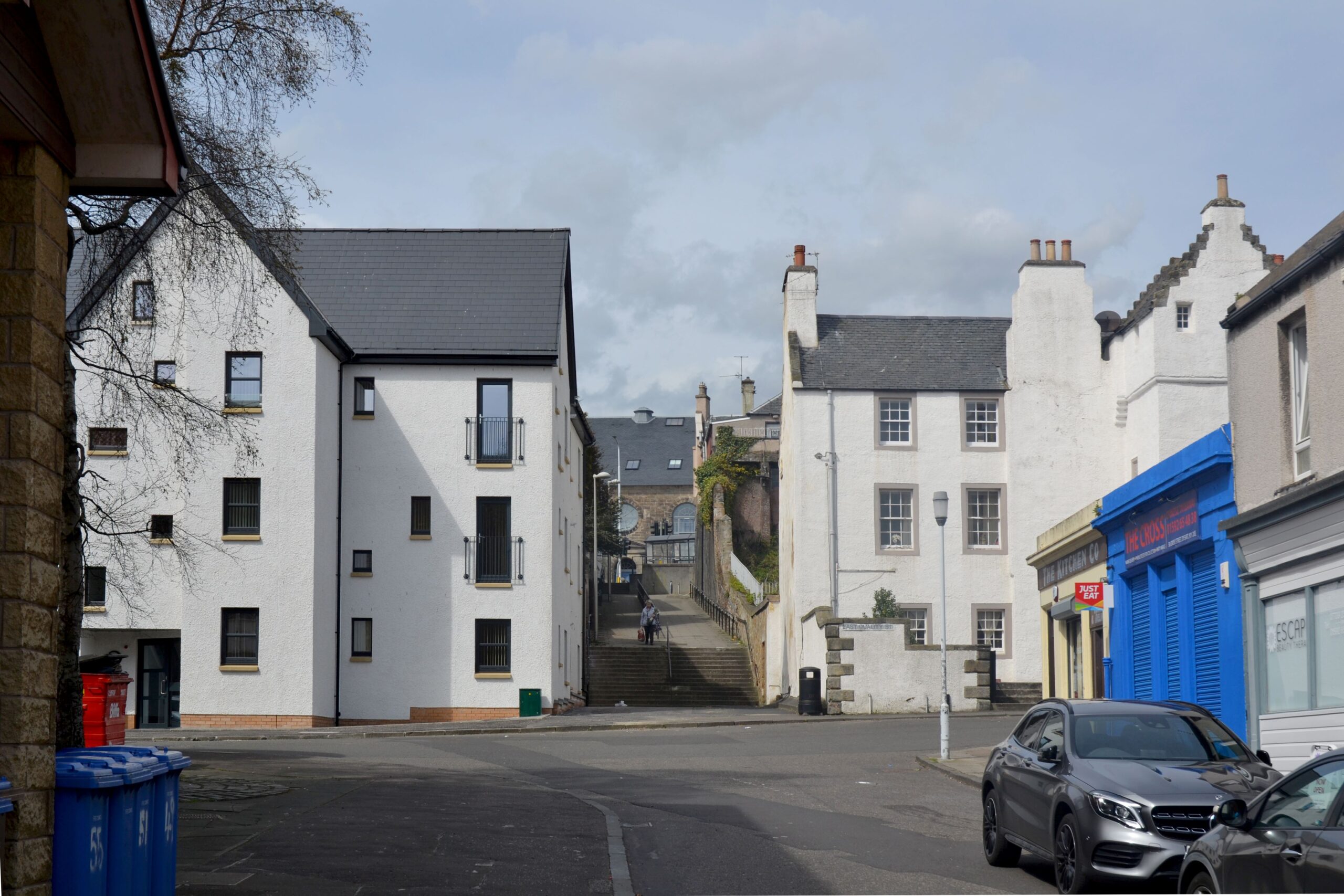
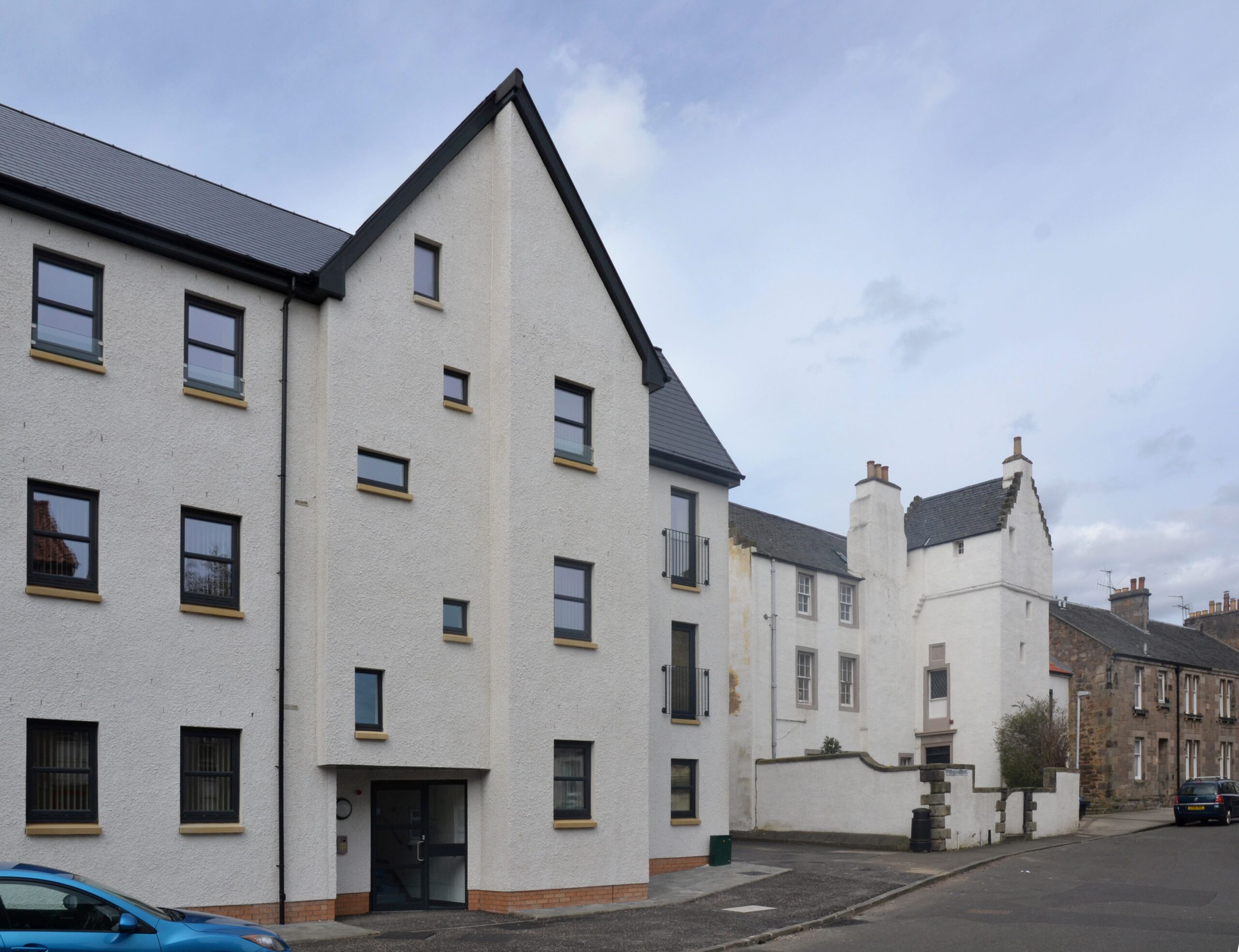
Commissioned by Fife Council, this project delivers 21 affordable apartments on a prominent brownfield site at Quality Street in Dysart. Located just north of Dysart High Street and south of the A955, the site occupies a sensitive position within the historic townscape, directly opposite the A-listed building at 43–47 East Quality Street.

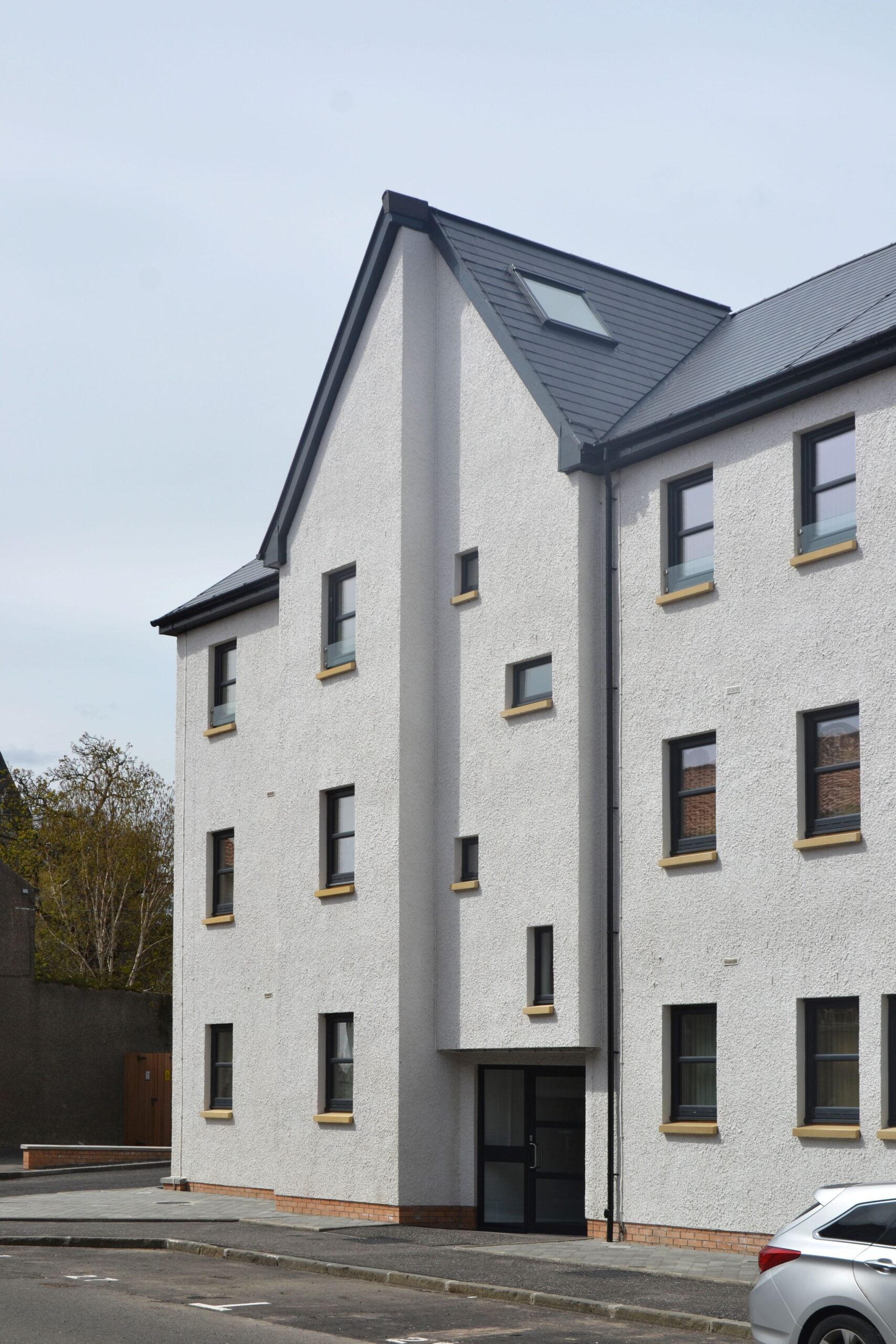
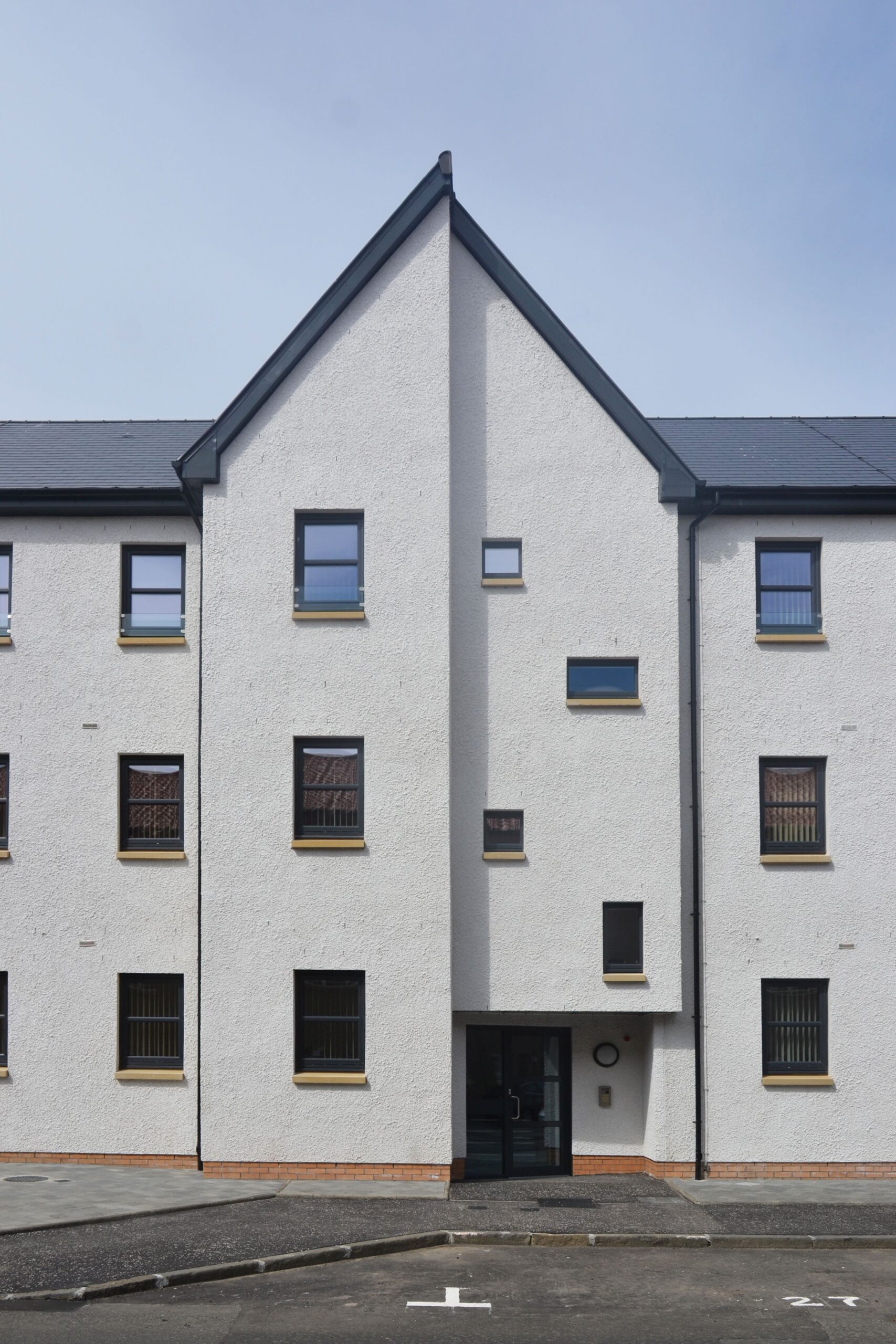
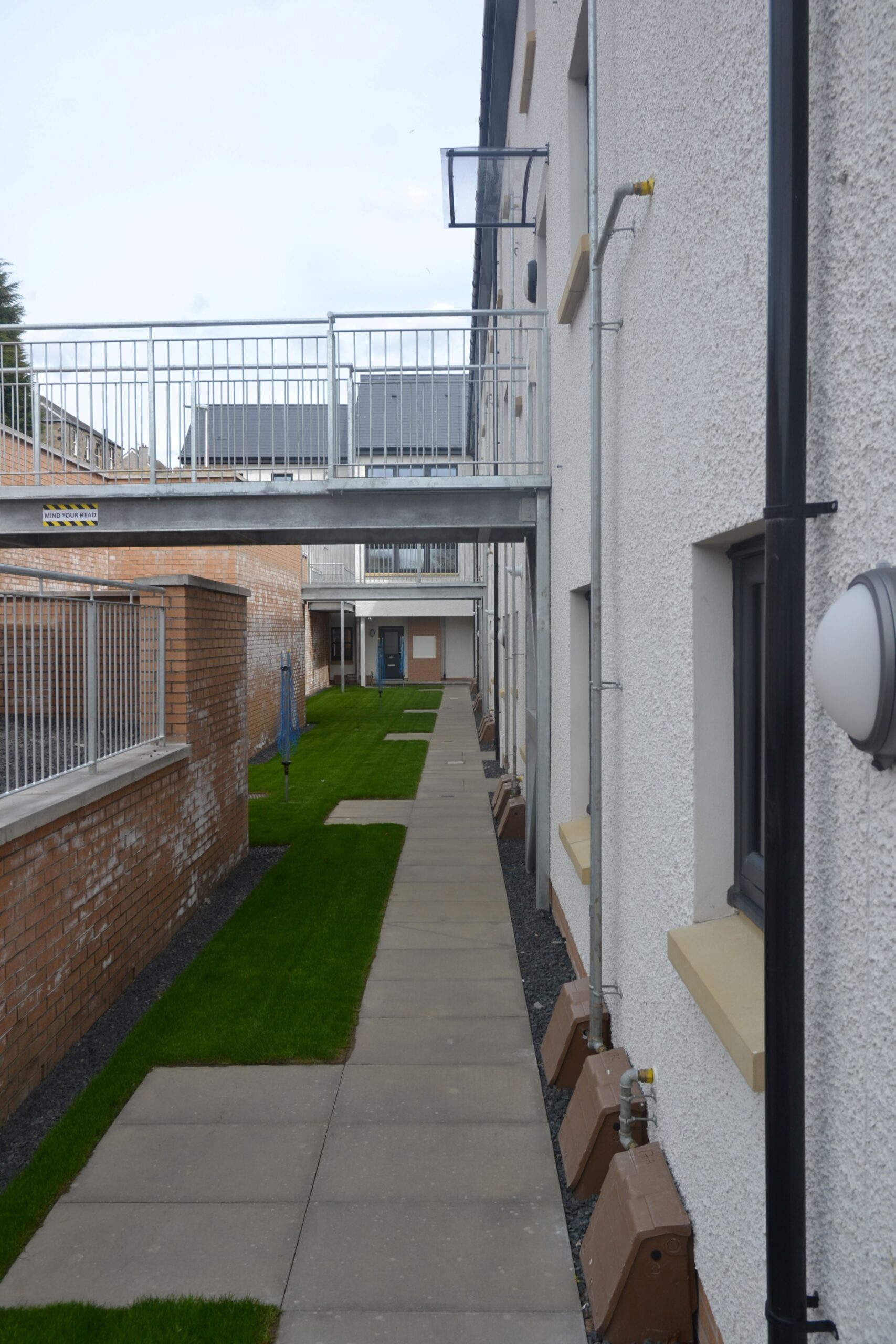
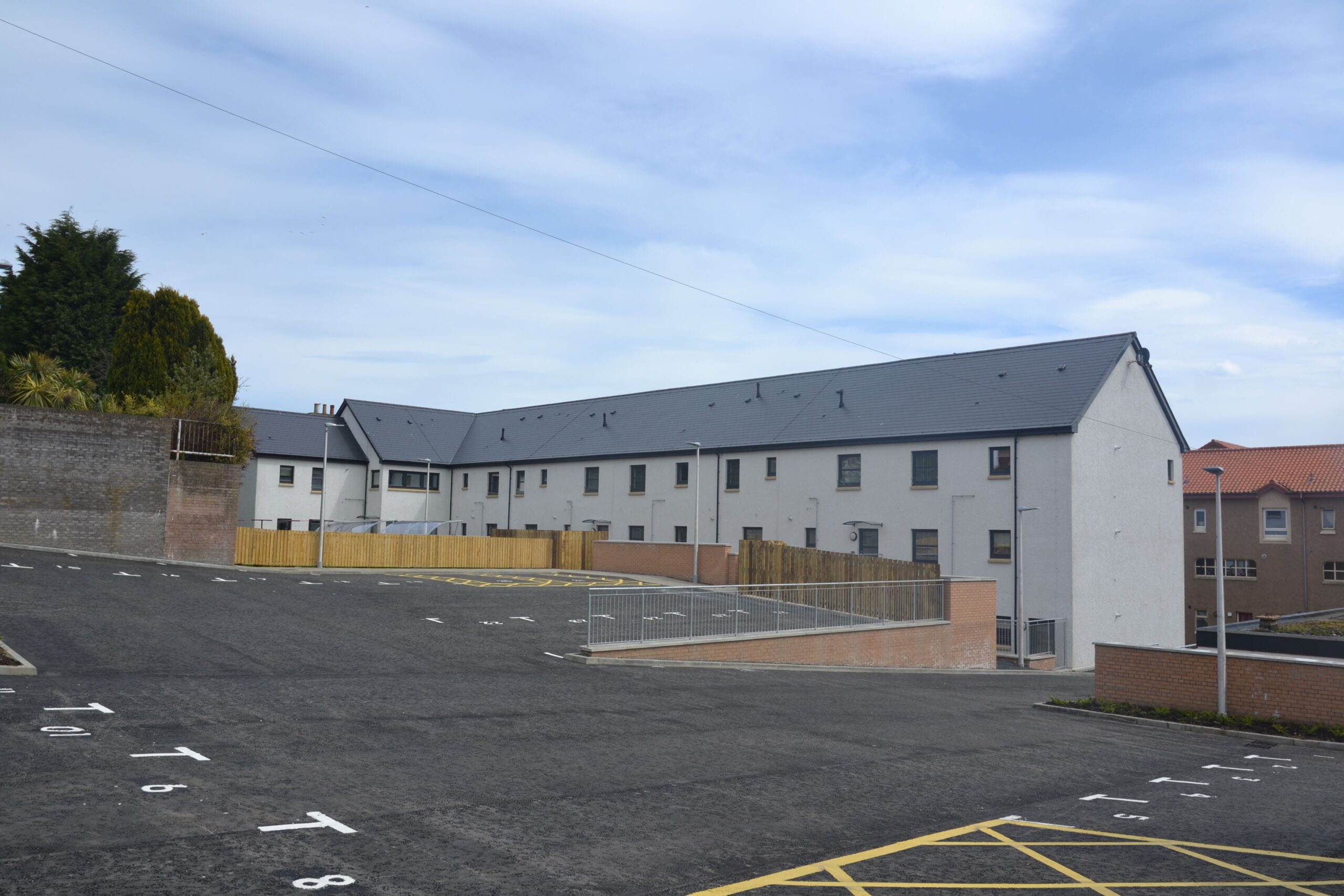
The sloping site, shaped by the remains of a former 1960s housing block, informed a stepped layout divided into upper and lower levels. Ground-floor flats address Quality Street and East Port, forming an L-shaped building that creates a strong corner presence and positively contributes to the surrounding streetscape. Upper-level apartments are accessed via shared stair cores and bridge links from the higher ground, ensuring inclusive, barrier-free access throughout the development.

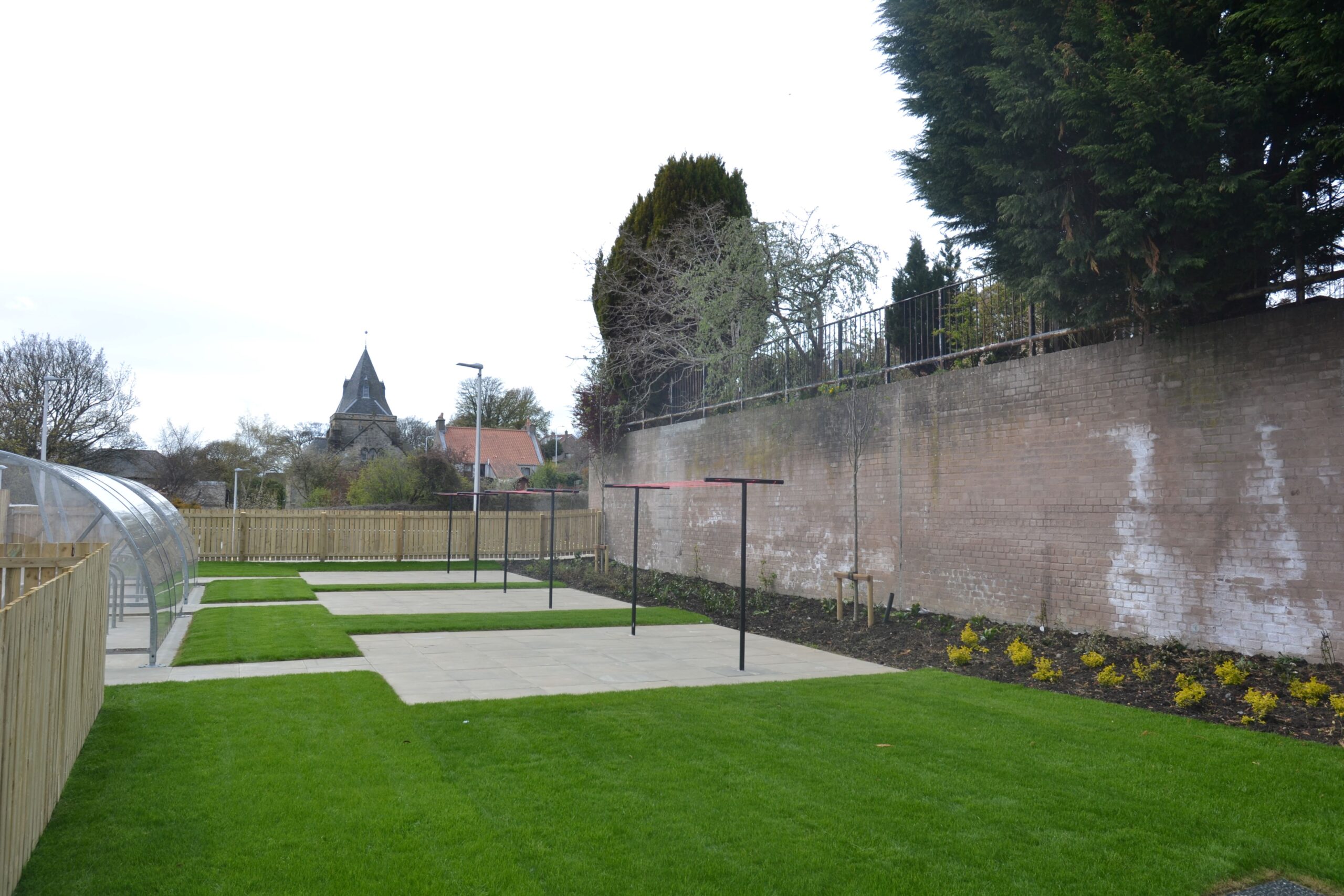
Private gardens are provided to ground-floor homes, while upper-floor residents benefit from shared amenity and drying areas to the rear. A new pedestrian link through the site improves permeability, connecting Quality Street with Norman Road and strengthening links within the wider neighbourhood.

The architecture responds sensitively to its historic context, drawing inspiration from nearby listed buildings through its massing, proportions, and carefully composed elevations. A restrained palette of materials—including roughcast render, slate roofing, and timber windows—ensures the development integrates comfortably into its surroundings while maintaining a contemporary identity.
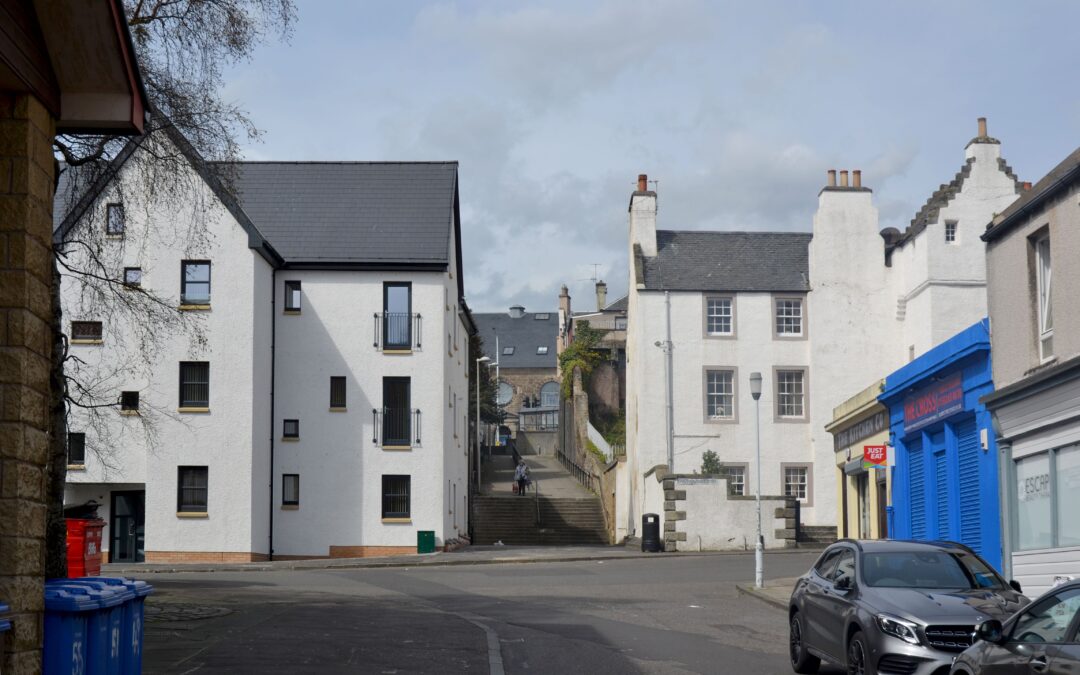
Developed through close collaboration with Fife Council planners and stakeholders, the project balances heritage considerations, residential amenity, and accessibility to deliver much-needed affordable housing that enhances both the character and connectivity of Dysart.